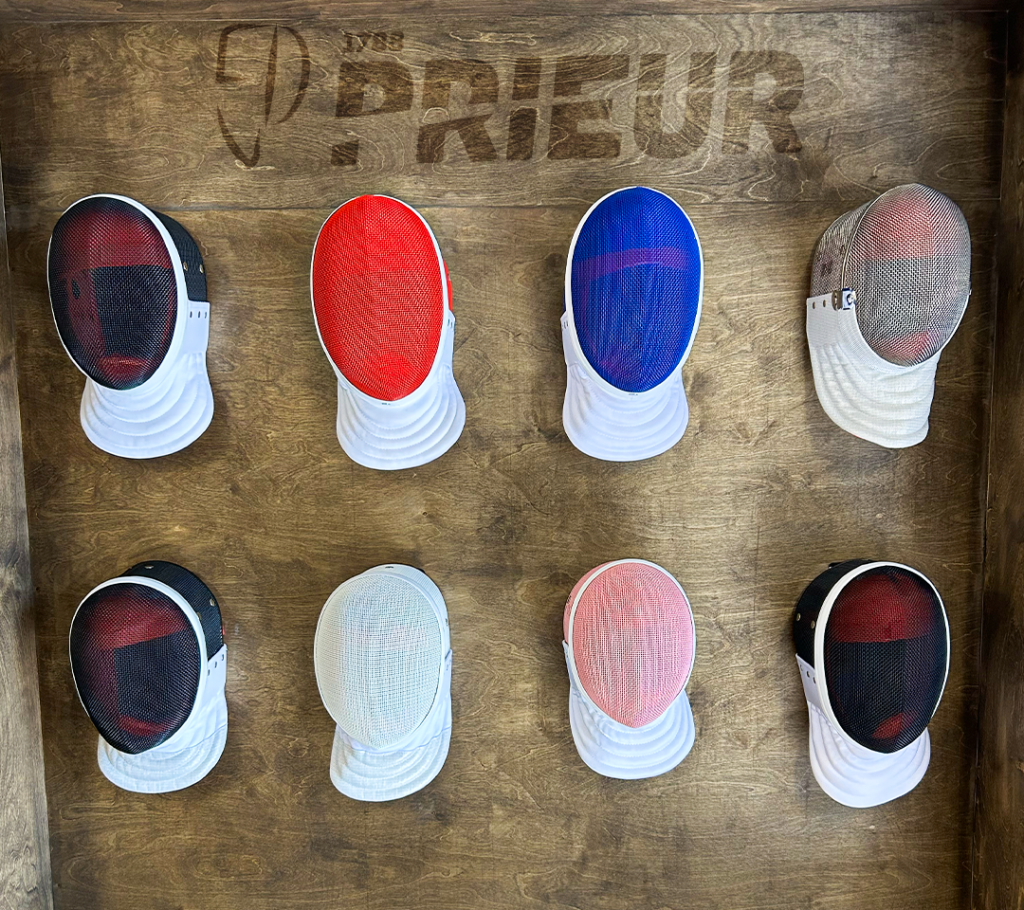
Fencing Mask Storage: 6 Proven Ways to Prevent Dents, Rust, and Odor
A fencing mask is one of the most critical—and most mistreated—pieces of equipment a fencer owns. It’s worn in every bout, absorbed countless impacts, and then often tossed into a bag without much thought. Yet improper fencing mask storage is one of the fastest ways to shorten a mask’s lifespan, compromise comfort, and create problems that appear long before the mask actually fails inspection.
Bent mesh, rust forming around welds, lingering odor, and distorted bibs are almost always the result of poor storage habits rather than heavy use. Fortunately, protecting your mask doesn’t require special tools or technical adjustments. With a few consistent, smart storage practices, you can dramatically extend the life of your fencing mask while keeping it safe, comfortable, and competition-ready.
This guide outlines six proven ways to store your fencing mask properly, helping you prevent dents, rust, and odor without introducing cleaning routines or technical maintenance. These principles apply equally to youth fencers, competitive athletes, and anyone traveling regularly with their gear.
Why Proper Fencing Mask Storage Matters
A fencing mask is engineered to maintain its shape, absorb force evenly, and provide reliable protection over years of training and competition. However, unlike soft gear such as uniforms or gloves, masks are rigid and far less forgiving when stored incorrectly.
Poor fencing mask storage can lead to:
Permanent mesh deformation
Corrosion caused by trapped moisture
Odor buildup that transfers to other gear
Bib warping that affects jacket overlap
Premature replacement despite limited use
Good storage is not cosmetic—it’s a foundational part of long-term equipment care. If you already follow a broader fencing equipment maintenance guide, mask storage should be treated with the same level of importance as blade or uniform care.
1. Never Store Your Mask Under Pressure or Weight
One of the most common mistakes fencers make is placing their mask at the bottom of a fencing bag with everything else piled on top. Shoes, weapons, tools, and body cords apply uneven pressure that slowly alters the shape of the mask over time.
Even light compression can:
Push the mesh inward
Create subtle dents that worsen with repeated pressure
Affect how the mask sits on your head
Your fencing mask should always be stored on top of other equipment, never beneath it. Structured bags designed to support rigid gear—such as the Prieur Elite fencing bag—help keep masks elevated and protected from heavy items during transport.
A simple rule to follow: your mask goes into the bag last and comes out first. This principle aligns closely with smart layouts discussed in guides on organizing your fencing bag efficiently, where protecting high-impact gear is a priority.
2. Store the Mask Fully Dry—Even Between Short Sessions
Moisture is one of the biggest enemies of fencing masks. Even if your mask feels only slightly damp after training, storing it without airflow can trap humidity inside the mesh and padding.
Over time, this can lead to:
Rust forming along mesh welds
Corrosion near stitching and seams
Persistent odor that’s difficult to remove
Proper fencing mask storage means allowing the mask to air out before sealing it inside a bag or locker. Avoid leaving your mask zipped inside a fencing bag between consecutive training days, and never store it overnight in a car trunk.
These recommendations are consistent with USA Fencing equipment care recommendations, which emphasize keeping protective gear dry to preserve both safety and longevity. The same airflow principles apply to uniforms as well—especially when following guidance on how to store your fencing uniform safely.
3. Keep Your Mask Away from Damp Floors and Locker Rooms
Where you store your fencing mask matters just as much as how you store it. Locker rooms, garages, and basements often seem convenient, but they tend to have higher humidity and fluctuating temperatures.
These environments increase the risk of:
Rust developing on metal components
Moisture seeping into bib layers
Odors becoming embedded over time
Scientific research on how humidity causes corrosion in metal equipment consistently shows that prolonged exposure accelerates material degradation. For fencing gear, this means even a high-quality mask can deteriorate faster if stored in the wrong place.
At home, choose a dry, temperature-stable area such as a closet or gear shelf. Hanging your fencing bag off the floor—rather than placing it directly on concrete—can significantly reduce moisture exposure. Pairing these habits with proper fencing uniform storage ensures your entire kit stays protected in the same environment.
4. Avoid Stacking Multiple Masks Together
In club settings or shared households, it’s common to store multiple fencing masks together. Unfortunately, stacking masks directly on top of each other or nesting them inside one another creates uneven pressure points.
This can result in:
Distorted mesh contours
Bent bib edges
Accelerated wear where masks rub together
If you need to store more than one mask, place a soft barrier—such as a folded jacket—between them and store masks upright whenever possible. During travel, using a large-capacity fencing bag with separate compartments helps prevent masks from shifting or pressing against each other in transit.
This is especially important for tournament travel, where bags are frequently packed tightly and handled roughly.
5. Maintain Bib Shape During Storage
While most fencers focus on protecting the mesh, the bib is just as vulnerable during improper fencing mask storage. When folded, twisted, or crushed, the bib can warp and lose its natural contour.
A distorted bib can:
Sit uncomfortably against the chest
Interfere with jacket overlap
Create fit issues that weren’t present when the mask was new
To preserve bib shape, store the mask so the bib hangs naturally or lies flat without being bent backward into the mesh. Avoid folding the bib to save space—it rarely recovers its original shape once creased.
Odor problems rarely come from the mask alone. More often, they develop when damp uniforms, gloves, or shoes are stored in direct contact with the mask in an enclosed space.
Smart fencing mask storage always includes separation:
Keep masks away from wet jackets and knickers
Avoid placing gloves inside the mask
Store shoes in isolated compartments or separate bags
Modern fencing bags with dedicated shoe compartments make this separation easier, but even simple bag organization changes can dramatically reduce odor transfer. These habits align with broader best practices found in fencing gear care and storage guides, where isolation and airflow consistently outperform quick fixes.
Long-Term Benefits of Proper Fencing Mask Storage
Consistent fencing mask storage habits offer benefits that extend well beyond appearance:
Longer equipment lifespan
Reduced replacement costs
Better comfort and consistent fit
Lower risk of failing inspections due to deformation
Improper storage can cause issues that surface during equipment checks, even if the mask hasn’t seen heavy use. Understanding USA Fencing equipment inspection standards highlights why maintaining shape and material integrity is just as important as meeting safety ratings.
Final Thoughts: Storage Is Part of Equipment Care
Many fencers think of equipment care as something active—repairs, replacements, or inspections. In reality, storage is one of the most powerful forms of maintenance you can practice.
By keeping your fencing mask dry, supported, separated from wet gear, and protected from pressure, you eliminate the most common causes of dents, rust, and odor. These six proven storage habits take very little time, cost nothing to implement, and pay off every time you unzip your bag.
If you’re already investing in high-quality Prieur fencing masks and durable Prieur fencing bags, pairing them with smart storage practices ensures your equipment performs as intended—for seasons to come.