Kids Fencing Gear Checklist: 8 Important Items to Buy
If you’re a parent new to the sport of fencing, welcome—this is an exciting journey. Fencing is safe, fast, and incredibly fun for kids. It cultivates focus, confidence, and athleticism. But the first question most parents ask is: what exactly do we need to buy to get started? In this guide, we’ll walk you through a practical kids fencing gear checklist, explain what each item does, how to choose the right size, and where a trusted brand like Prieur fits in.
This article is designed for parents looking for a clear, expert-backed youth fencing equipment checklist, including a kids fencing gear list for beginners and suggestions for a starter fencing kit for kids. We’ll also link to some extra resources to help you build a complete fencing knowledge base on your site.
Who This Guide Is For
Parents of children ages 6+ who are new to fencing
Families evaluating beginner gear versus renting from a club
Caregivers looking for safe, regulation-compliant equipment
Parents seeking a convenient starter fencing kit for kids
Coaches and club admins who want a shareable gear guide
These readers want clarity on:
The essential kids fencing gear list and how to size it
Budget versus premium options, and when to upgrade
Safety standards (CE ratings, FIE vs. non-FIE)
Durability and washability for busy family schedules
Trusted brands like Prieur that offer beginner-friendly bundles
The 8-Item Kids Fencing Gear Checklist (Quick Overview)
Mask (with bib)
Jacket
Underarm Protector (Plastron)
Glove (weapon hand)
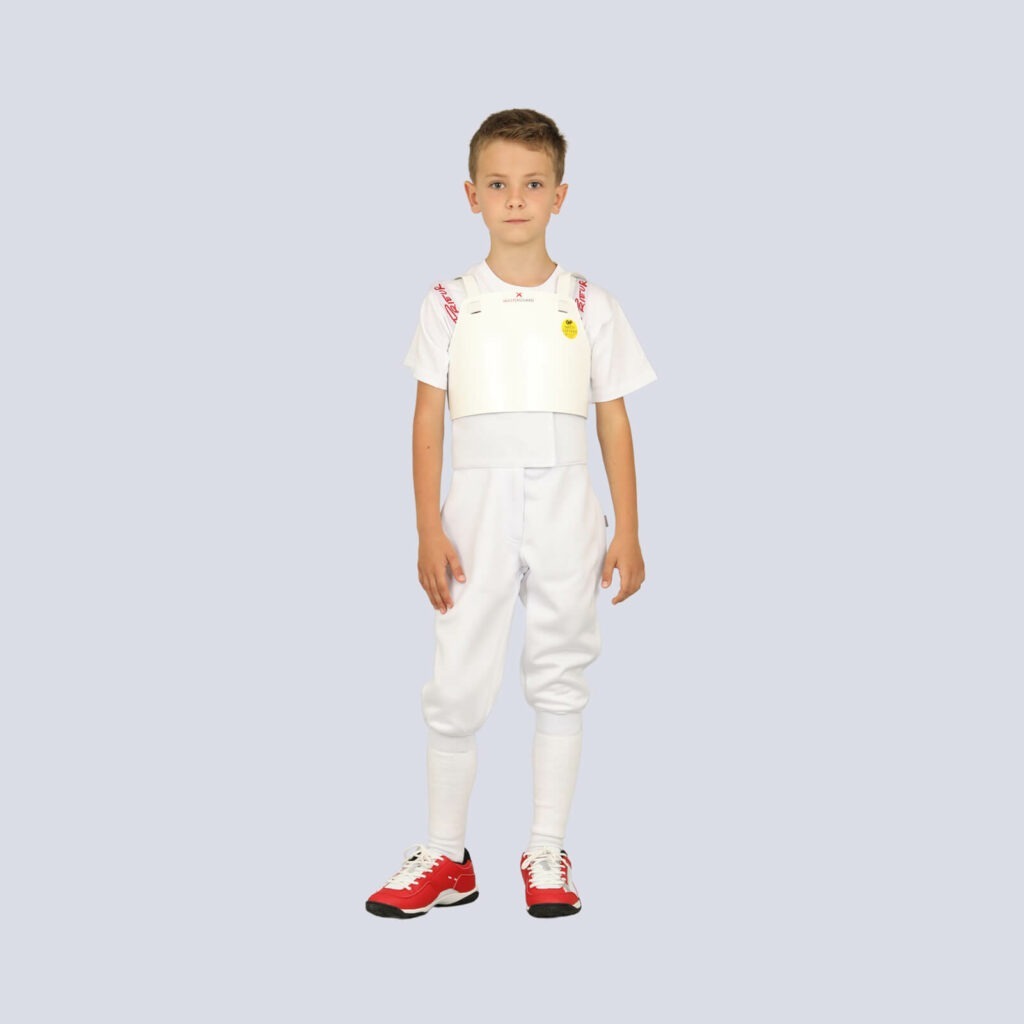
Chest Protector (mandatory for girls; common for boys)
Fencing Pants
Socks and Shoes
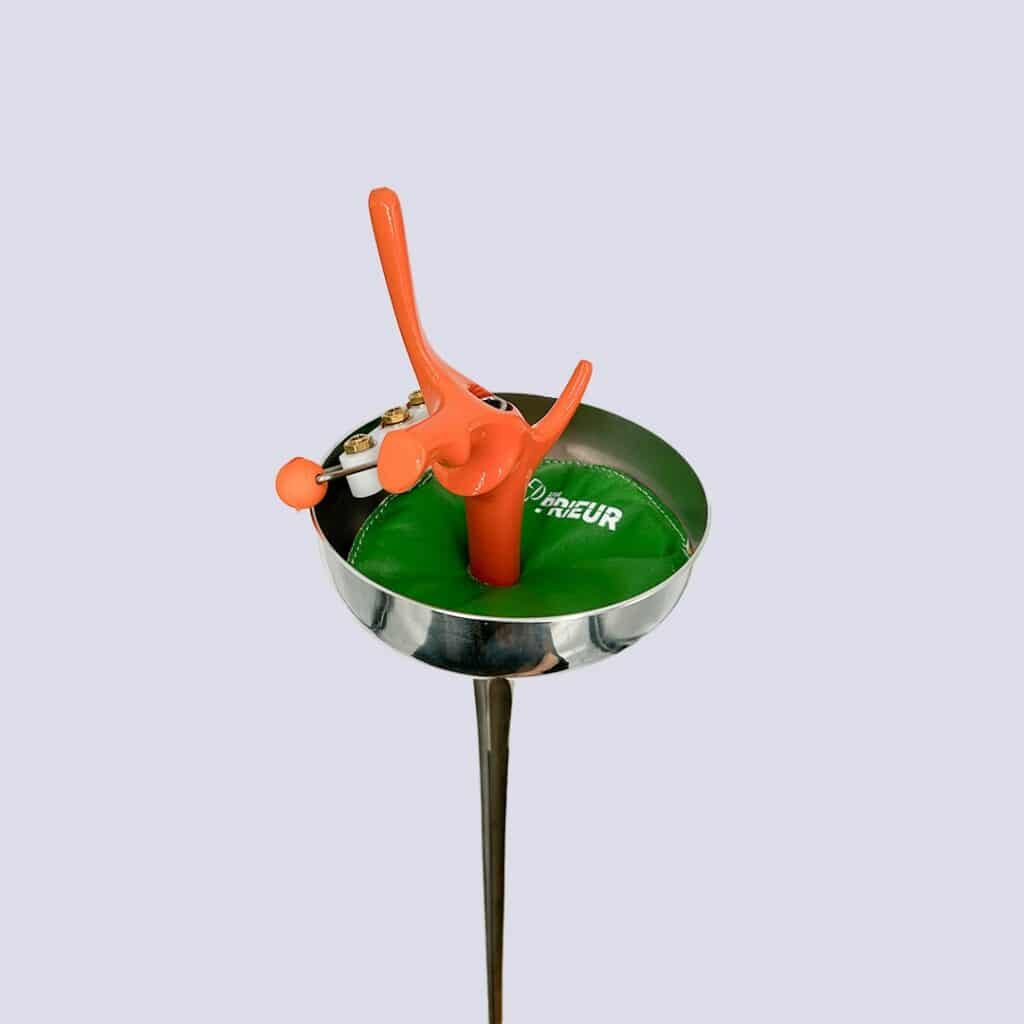
Weapon and Body Cord (foil, epee, or sabre)
We’ll cover each item in depth below, including how to choose the right size, safety standards, and where Prieur’s products shine.
Safety and Standards: What Parents Should Know
Before diving into the list, a quick word about standards:
CE Certification: Most entry-level club gear (non-FIE) is CE-certified for safety and suitable for youth practice and local competitions.
FIE Certification: Designed for high-level competition and stronger puncture resistance (e.g., 800N or 1600N materials). This is more of an upgrade as kids progress.
Weapon Type: Your club will recommend which weapon your child starts with—foil, epee, or sabre. This impacts the mask type, glove cuff, and body cord.
A properly fitted mask is the cornerstone of kids fencing gear. It protects the face, head, and throat (via the bib).
What to look for:
Fit: The mask should feel snug, not loose. When your child nods or shakes their head, it should stay put.
Sweat Management: Kids get warm quickly. Choose padding that wicks moisture and can dry between sessions.
Weapon Compatibility:
Foil masks often require a conductive bib (for competition)
Epee masks do not require a conductive bib
Sabre masks are fully conductive for scoring
Safety: CE-certified is standard for beginners. FIE masks are available for advanced fencers.
Prieur pick:
Prieur Youth Mask (Foil/Epee/Sabre variants) with comfortable interior foam and strong bib construction—designed for kids’ head sizes with adjustable harnesses.
Pro tip: Write your child’s name on the back strap—club mask racks can get busy.
2) Jacket: Full-Torso Protection
The fencing jacket protects the torso and arms. Youth sizes are tailored for smaller frames and better range of motion.
What to look for:
Cut and Mobility: Kids need easy arm lift and torso rotation for lunges.
The plastron is worn under the jacket, adding extra puncture resistance on the weapon side and covering armpit areas that are not fully protected by the jacket alone. For kids, this is a must-have for both training and competition.
What to look for:
Side-Specific: Right-handed or left-handed options
Comfort: Breathable materials help keep kids cool
Compliance: CE-rated is sufficient for beginners; FIE is optional for advanced levels
We pair well with most reputable youth fencing shoes. If you’re building a starter fencing kit for kids, ask us about recommended footwear partners.
Parent tip: Label shoes and keep a backup pair of long socks in the gear bag.
8) Weapon and Body Cord: The “Fun Part”
Your child’s club will advise whether to start with foil, epee, or sabre. Beginners often start with foil, but this varies by program. You’ll also need a body cord to connect the weapon to the scoring apparatus.
Cutting weapon; target is everything above the waist
Requires conductive mask and jacket (lame)
Body cord with 2-pin configuration
Complete Prieur Sabres
Prieur pick:
Prieur Youth Foil/Epee/Sabre options available with child-friendly grips (French or pistol) and balanced weight.
Prieur Body Cords designed for durability and easy maintenance.
Maintenance tip: Keep a small zip bag with spare tips, screws, and an allen key. Clubs appreciate prepared parents!
Optional but Recommended: The Starter Fencing Kit for Kids
For families who prefer a simple, cost-effective purchase, a kids fencing gear list can be bundled into a single starter fencing kit for kids. This typically includes:
Use our youth size chart: Measure height, chest, waist, hip, and arm length. If between sizes, consider growth room, but avoid oversizing that compromises safety.
Try-on at the club: Many clubs keep sample sizes.
Ask Prieur support: Share your child’s measurements and weapon type; we’ll recommend a size set that aligns with your club’s specifications.
Care and Cleaning: Keep Gear Fresh and Safe
Jacket, Fencing Pants, and plastron: Cold wash, gentle cycle, air dry.
Glove: Spot clean and air dry.
Mask: Wipe down interior; air out between sessions; replace padding if worn.
Body cord and weapon: Coil cables gently; wipe blades dry; check screws weekly.
Bag organization: Use a dedicated fencing bag; small pouches for spare parts.
Entry level (CE-rated) gear is ideal for the first year or two.
Upgrade to FIE jacket/mask/plastron as your child:
Enters regional/national competitions
Increases training volume
Outgrows entry-level gear and needs higher durability
Prieur approach:
Start with Prieur Youth 350N jacket and Fencing Pants for beginners.
Upgrade to FIE components as performance goals increase, keeping your existing Prieur fit preference.
Common Parent Questions (FAQ)
Q: Can my child share gear with a sibling? A: Some items can be shared (weapon, body cord, bag), but fitted items like mask, jacket, Fencing Pants, glove, and chest protector should be individually sized for safety and hygiene.
Q: Do we need a lame (conductive jacket) right away? A: Only for foil and sabre competition. Many clubs let beginners start without or borrow one during early practices. Ask your coach.
Q: Is fencing safe for kids? A: Yes. With the right kids fencing gear list and proper instruction, fencing ranks high in safety among youth sports. Always follow your club’s guidelines and maintain the gear.
Q: What’s the difference between French and pistol grips? A: French grips are straight, often recommended for developing hand strength and blade control; pistol grips offer ergonomic control. Your coach can guide this choice.
A clear, complete youth fencing equipment checklist removes guesswork and lets your child focus on learning, playing, and thriving. Starting with the essentials—mask, jacket, plastron, glove, chest protector, Fencing Pants, socks/shoes, and a correctly sized weapon/body cord—ensures safety and confidence from day one.
Prieur is here to help you build the perfect kit. Whether you want individual pieces or a streamlined starter fencing kit for kids, we’ll guide you on sizing, club requirements, and upgrade timing.