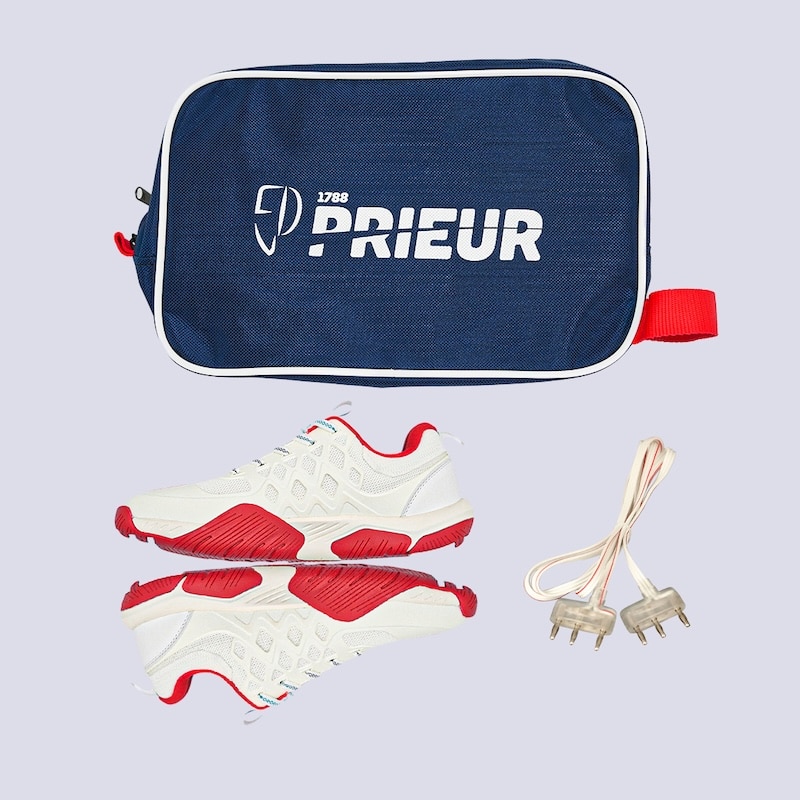
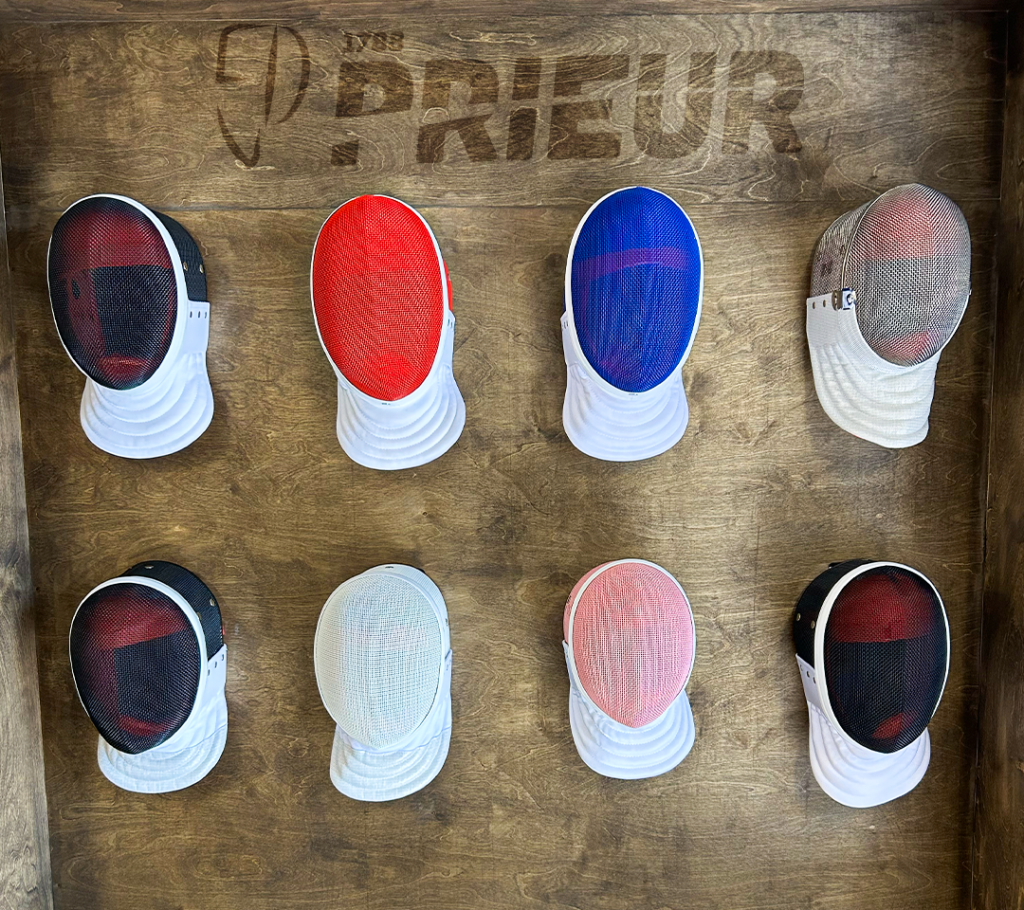
Keeping your fencing gear storage organized is just as important as cleaning your uniform. Proper storage prevents damage, extends the lifespan of your gear, and keeps odors away — saving you time and money.
Whether you’re a beginner fencer, a club coach, or a traveling competitor, this guide covers everything you need to know about fencing gear storage, organization, and protection.
🧼 Why Fencing Gear Storage Matters
Even if you clean your gear regularly, improper fencing gear storage can undo that effort. Storing damp or compressed items traps heat and moisture, creating the perfect conditions for:
Mildew and odor buildup
Rust and corrosion on blades and screws
Worn elastic in gloves and cords
Premature fabric breakdown
Good fencing gear storage = longer lifespan and better hygiene.
💡 Pro Tip: Even premium 800N uniforms and FIE masks deteriorate quickly if they aren’t stored properly and kept dry.
A high-quality fencing bag is the foundation of excellent fencing gear storage. It protects your uniform and weapons from impact, moisture, and tangles.
What to Look For:
Durable exterior: Reinforced polyester or rip-stop material.
Ventilated compartments: Allow airflow to reduce odor.
Separate sections: Keep sweaty clothes away from weapons.
Smooth interior lining: Prevents fraying and fabric snags.
Recommended Options:
Prieur Elite Fencing Bag – A two-compartment design perfect for organized fencing gear storage. Offers enough space for weapons, uniform, and accessories while keeping clean and used gear separate.
Prieur Rally Bag – A compact, single-compartment option that’s lightweight and easy to carry — great for clubs, travel, or fencers who prefer simplicity.
🦠 2. Always Dry Gear Before Storage
The biggest cause of fencing gear odor is moisture trapped inside the bag. Drying is a crucial part of proper fencing gear storage.
After every session:
Unpack your entire bag.
Hang jackets and pants on a rack.
Open your mask for ventilation.
Lay gloves flat to dry.
Wipe blades clean to prevent rust.
💡 Pro Tip: Never leave gear in your car overnight — heat and humidity can ruin both weapons and uniforms, the enemies of smart fencing gear storage.
🧥 3. Store Uniforms Flat or Hanging
Uniforms are the core of your fencing gear storage routine.
Best practices:
Hang jackets and pants on wide hangers to avoid creasing.
Use breathable garment bags (never plastic).
Keep plastrons and gloves in mesh pouches to allow airflow.
⚔️ 4. Protect Your Weapons and Cords
Your weapons are delicate — and often the most expensive items in your fencing gear storage setup.
Do:
Store blades straight in a dedicated compartment or rack.
Coil body cords loosely to prevent wire stress.
Use tip covers or blade guards.
Dry blades after use to prevent corrosion.
Don’t:
Don’t lean weapons in corners.
Don’t store cords with tools or screws.
Don’t use tight straps that pinch cables.
🧰 Product tie-in: Keep all your repair tools, screws, Allen keys, and spare parts organized and secure with the Prieur Fencing Toolbox. Designed for fencers who value reliability and organization, it’s the perfect addition to any fencing gear storage setup — ensuring you’re always ready for quick fixes during training or tournaments
5. Keep Masks Fresh and Safe
Masks absorb sweat faster than any other item. Good fencing gear storage keeps them odor-free and rust-free.
Mask care tips:
Always air-dry completely after practice.
Use a mask case or drawstring bag for travel.
Never rest the mask face-down on hard surfaces.
Inspect bib and screws monthly.
💡 Pro Tip: Use a mild fabric sanitizer spray to freshen your mask between sessions — ideal for daily fencing gear storage maintenance
🧦 6. Use Odor and Moisture Control Accessories
Accessories can make or break effective fencing gear storage.
Consider adding:
Charcoal deodorizer pouches for odor absorption.
Shoe inserts to keep shoes dry.
Gear sprays safe for uniforms.
Silica gel packs for long-term storage.
🧩 7. Long-Term or Seasonal Fencing Gear Storage
If you’re taking a break or between competitive seasons:
Wash and fully dry all items first.
Store in a cool, dark, and dry place.
Use desiccant packs to prevent moisture.
Loosen pommels slightly to relieve tension.
Label gear bags for easy re-organization.
Avoid basements, garages, and attics unless climate-controlled — these destroy good fencing gear storage setups quickly.
🚫 Fencing Gear Storage Do’s and Don’ts
DO: ✅ Dry all gear after use ✅ Hang jackets and pants ✅ Keep cords untangled ✅ Store blades flat and straight ✅ Use breathable bags and deodorizers
DON’T: ❌ Leave damp gear in your bag overnight ❌ Store in direct sunlight or hot cars ❌ Mix weapons and clothing ❌ Compress your gear for long periods
🧭 Final Thoughts: Protect Your Investment
Your equipment represents both financial and training investment. Mastering smart fencing gear storage ensures your gear lasts longer, smells cleaner, and performs better every bout.