Parent’s Guide to Youth Fencing Equipment: Safety and Sizing Simplified
Introduction
Getting your child started in fencing is exciting — but finding the right youth fencing sizing can feel overwhelming at first. The key to comfort, safety, and confidence on the piste starts with proper sizing. Ill-fitting gear can distract a young fencer or even limit their movement.
This guide simplifies everything parents need to know about kids’ fencing jackets, pants, masks, shoes, and gloves, using the Prieur USA size guide as your reference.
1. Why Proper Sizing Matters in Youth Fencing
When fencing gear fits correctly:
Jackets and pants protect vital areas without restricting movement.
Masks stay secure during quick lunges and recoveries.
Gloves and shoes enhance grip and precision.
Fencing is all about agility, balance, and timing — and proper youth fencing sizing ensures your child can move freely while staying protected from tip to toe.
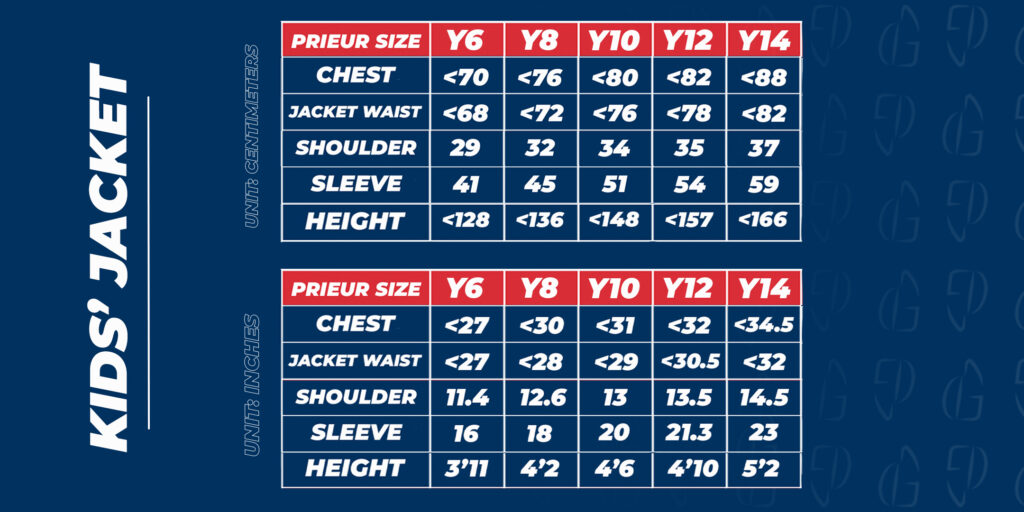
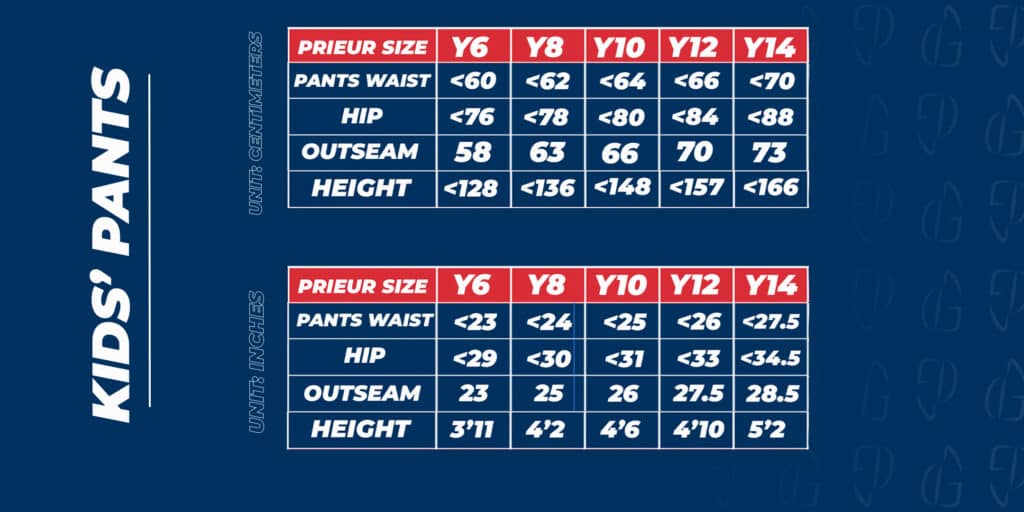
Prieur’s youth sizes are based on your child’s height and body measurements rather than age alone. Youth sizes range from Y6 through Y14, covering most fencers from approximately 3’11” to 5’2” tall.
This measurement-based approach to youth fencing sizing ensures gear fits comfortably while providing the proper protection required for training and competitions.
3. How to Measure Your Child for Fencing Gear
Before ordering, take a few quick measurements at home using a soft tape measure. Have your child stand straight with arms relaxed. These steps help ensure accurate youth fencing sizing for all equipment types.
Height: Measure from the top of the head to the floor, barefoot.
Chest: Wrap the tape around the fullest part of the chest, keeping it level and snug.
Waist: Measure around the natural waistline, just above the hips.
Hips: Measure the widest part around the seat.
Arm Length: Measure from shoulder to wrist with the arm slightly bent.
Inseam: Measure from crotch to ankle bone.
Write these numbers down before referencing the Prieur USA youth fencing size charts — it makes choosing the right gear simple and stress-free.
4. Youth Fencing Jacket Sizing
When choosing a fencing jacket, measure your child’s:
Chest – just under the arms, at the widest point.
Waist – around the narrowest part of the torso.
Shoulder width – from one shoulder seam to the other.
Sleeve length – from shoulder to wrist
Height – from head to toe without shoes.
Tip: A properly fitted jacket should feel snug but allow the arm to extend fully forward.
If your child’s measurements are between two sizes, go up one for growing room. This ensures longevity and comfort as your child progresses in fencing.
Pro tip: Fencing pants should cover the knees and overlap with socks when fully bent — this prevents gaps in protection and ensures compliance with competition standards.
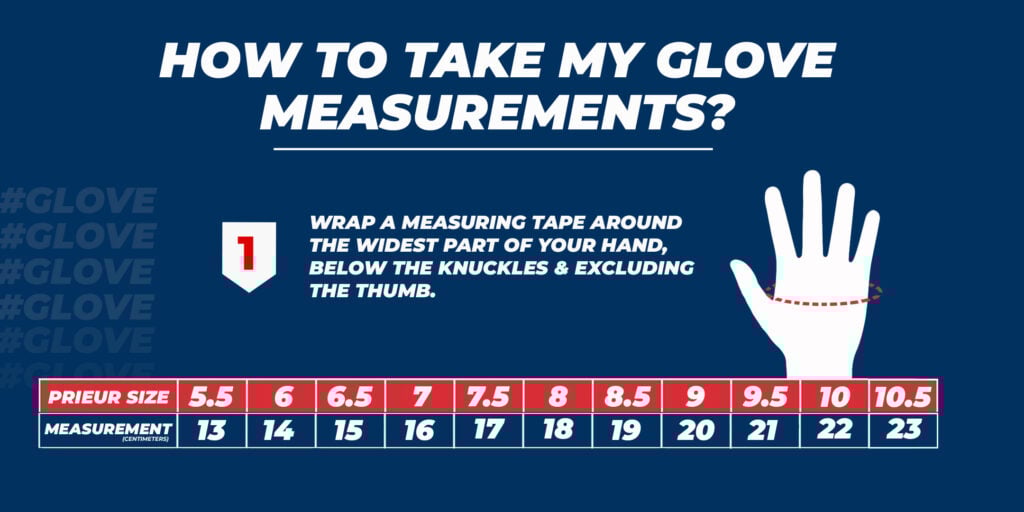
Wrap a tape measure around the widest part of the hand, just below the knuckles (excluding the thumb).
Use the measurement in centimeters to find the correct glove size.
Tip: Gloves should fit snugly without restricting hand movement or causing discomfort when gripping the weapon. A properly sized glove improves precision and control.
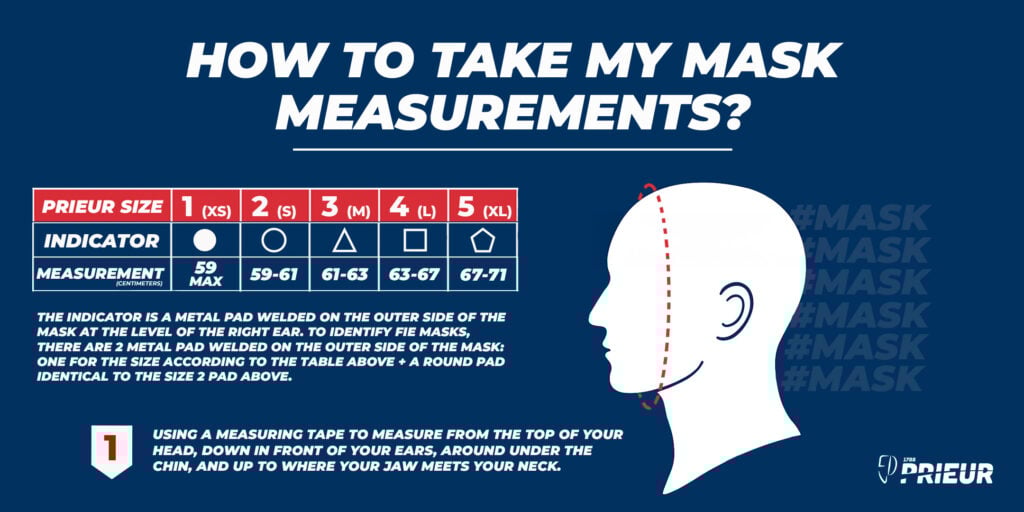
For fencing masks, measure around your child’s forehead and jawline, then refer to the Prieur USA mask chart when selecting your model. The mask should:
Sit comfortably without shifting when the fencer moves.
Allow clear breathing and visibility.
Have padding that hugs the sides of the head without pressure points.
For fencing shoes, select based on your child’s regular athletic shoe size — Prieur fencing shoes run true to size. A slightly snug fit is ideal since fencing involves explosive footwork and side-to-side movement.
Kids grow fast — fencing gear should last through a few growth spurts when chosen carefully.
If your child is between sizes, size up.
For jackets and pants, adjustable straps and stretch panels help extend the lifespan.
Avoid oversized gear; loose sleeves or pants can interfere with blade safety.
Regularly checking youth fencing sizing helps ensure consistent protection and performance as your child grows.
9. Common Youth Fencing Sizing Mistakes
Avoid these common pitfalls when choosing fencing gear for kids:
Guessing by age: Children the same age can have very different builds; always measure before ordering.
Choosing oversized gear: It may seem practical for growth, but loose clothing can catch a blade tip or restrict movement.
Ignoring sleeve and pant overlap: Small gaps between jacket and glove or pants and socks reduce safety coverage.
Skipping mask fit checks: The mask must stay in place during lunges — a quick shake test confirms a secure fit.
Overlooking footwear: Proper fencing shoes provide grip and stability, reducing ankle strain and slipping.
Each of these mistakes can compromise both comfort and safety — getting youth fencing sizing right from the start makes a big difference.
10. When to Replace Youth Fencing Gear
Kids outgrow fencing gear faster than adults, and well-worn gear gradually loses its protective qualities. On average, youth fencers outgrow jackets and pants every 12–18 months.
Replace gear if:
Sleeves rise above the wrist when arms are extended.
Pants no longer overlap socks or feel tight when lunging.
Mask padding shifts or feels loose.
Shoes lose traction or cushioning.
Staying up to date on youth fencing sizing ensures your child always trains in gear that’s both safe and competition-ready.
11. Quick Fitting Checklist for Parents
✅ Jacket sleeves reach the wrist when the arm is extended. ✅ Pants overlap socks and fully cover the knees. ✅ Mask stays firm during lunges. ✅ Shoes feel stable and snug. ✅ Glove fits smoothly without bunching.
12. Where to Shop
All Prieur youth fencing gear — including jackets, pants, masks, shoes, and gloves — is available directly from Prieur USA. Our team can help verify sizing and ensure your child’s gear meets safety standards for club, regional, and national competition.
Conclusion
Fencing is a sport of precision — and the same goes for sizing your child’s gear. By following the Prieur USA youth fencing sizing guide, you’ll help your young fencer train safely, move freely, and focus on what truly matters: having fun and improving every match.