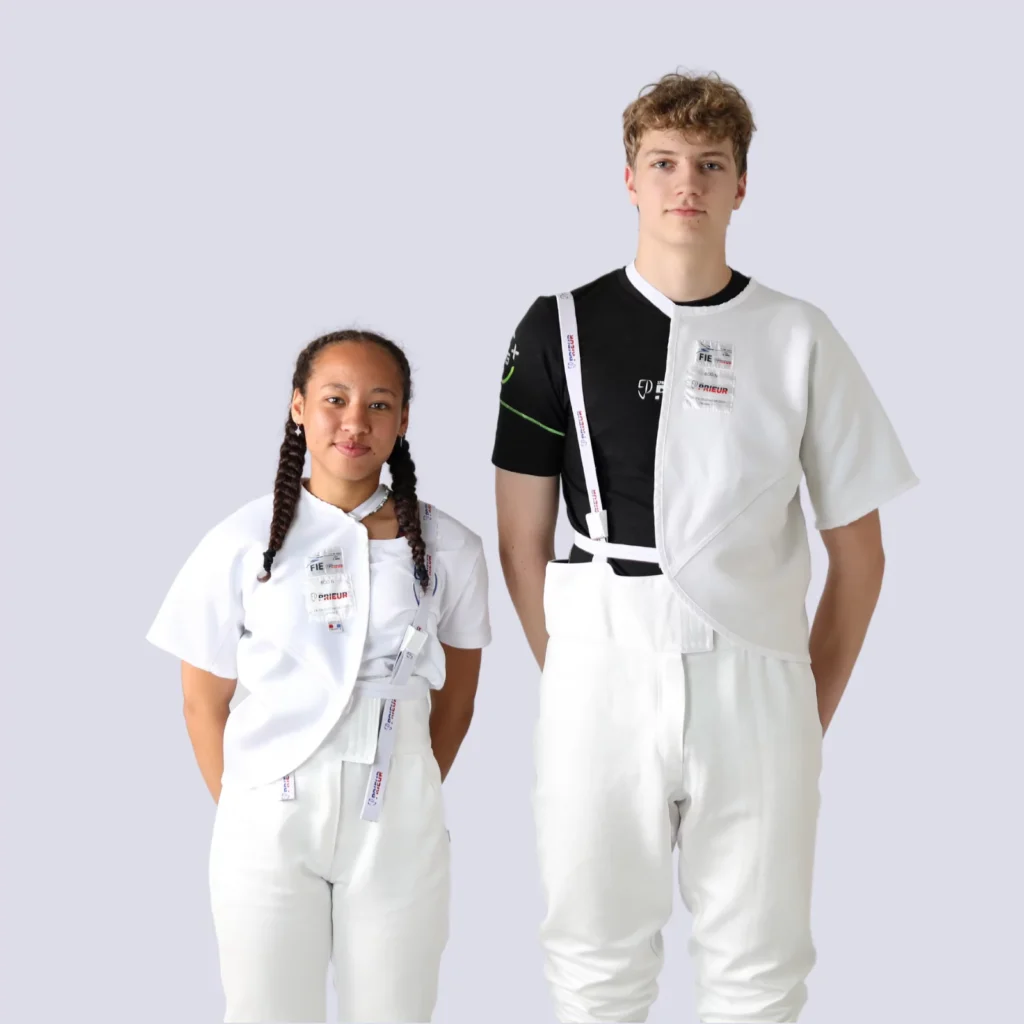
How to Check Your Fencing Uniform: 6 Important Items to Check for Safety and Durability
Your fencing uniform is the first and most important layer of protection you wear every time you step onto the strip. Far more than athletic clothing, this gear is engineered to resist punctures, absorb impact, endure explosive footwork, and keep you safe from the demands of modern fencing. But even the strongest uniform materials eventually wear down — which makes understanding how to check your fencing uniform one of the most essential maintenance habits for any fencer.
In this comprehensive guide, you’ll learn exactly how to check your fencing uniform for early-stage wear, hidden damage, and safety issues before they become serious. We’ll walk through the six most important items to inspect — jacket, pants, plastron, mask, glove, and baselayers — along with a complete pre-tournament safety checklist, longevity tips, and specific cues that tell you when something must be repaired or replaced. Whether you’re a competitive fencer, a parent buying gear for a youth athlete, or a coach helping students stay safe, this guide ensures your uniform remains durable, compliant, and ready for the strip.
Why Learning How to Check Your Fencing Uniform Matters
Before diving into the direct breakdown of how to check your fencing uniform, it’s important to understand why these inspections matter. Fencing clothing experiences extreme mechanical stress: lunges, deep knee bends, quick torso rotations, repeated weapon contact, sweat absorption, and laundering cycles. Over time, even the strongest 350N or 800N materials begin to fatigue.
Here’s why every fencer should routinely inspect their uniform:
1. It Protects You From Injury
Your fencing uniform is designed to prevent punctures and absorb hits. But as fabrics thin and seams loosen, the risk of injury increases. Understanding how to check your fencing uniform ensures you’re protected every time you fence. If your jacket or pants are reaching end-of-life, upgrading to Prieur FIE-certified fencing jackets can significantly improve your protection and longevity.
2. Uniform Failures Are More Common Than You Think
We see it all the time in clubs: a seam pops mid-lunge, a bib starts to separate during a tournament, a glove rips just before an elimination bout. Most failures start as tiny signs fencers often overlook.
3. Strict Tournament Equipment Control
Nothing derails your competition more than failing inspection because of a small issue that could’ve been caught at home. Learning how to check your fencing uniform helps prevent stressful last-minute replacements.
4. Early Detection Saves Money
Minor repairs cost a few dollars. Replacing full uniforms costs much more. Regular inspections extend lifespan and save you money over time.
5. Confidence Comes From Preparedness
When you trust your gear, you fence boldly and comfortably. Knowing how to check your fencing uniform builds that confidence.
How Often Should You Check Your Gear?
Learning how to check your fencing uniform is one thing — but developing a routine keeps your gear in top shape. Here’s what most fencers should follow:
Quick Pre-Practice Scan (30–60 seconds)
A fast check for:
Tears, holes, or open seams
Mask dents
Loose straps
Weak Velcro
Glove holes
This prevents obvious problems from becoming dangerous.
Weekly Deep Inspection (5–10 minutes)
Once per week, inspect:
Jacket seams and underarm panel
Pants stretch zones
Mask bib stitching
Glove palm wear
Plastron fabric integrity
This is where you catch evolving issues.
Full Pre-Tournament Inspection (10–15 minutes)
Before any tournament, this is essential. You’ll mimic what equipment control looks for — more on that later.
For storage between inspections, we recommend the ventilated Prieur Elite Bag, which helps prevent sweat damage and mold.
How to Check Each Piece of Your Fencing Uniform
(6 Important Items)
Below is the in-depth breakdown of how to check your fencing uniform, based on the six items most likely to affect your safety and performance.
1. Jacket: Your Strongest Layer of Protection
Your jacket is hit by blades, stretched during lunges, and pulled at by arm extension. Here’s how to check your fencing uniform starting with the jacket:
Now that you fully understand how to check your fencing uniform, you’re ready to extend the life of your gear, protect yourself from injury, and feel confident before every training session or tournament. A simple weekly routine gives you the consistency needed to stay safe on the strip — and prevents the stress of last-minute gear failures.