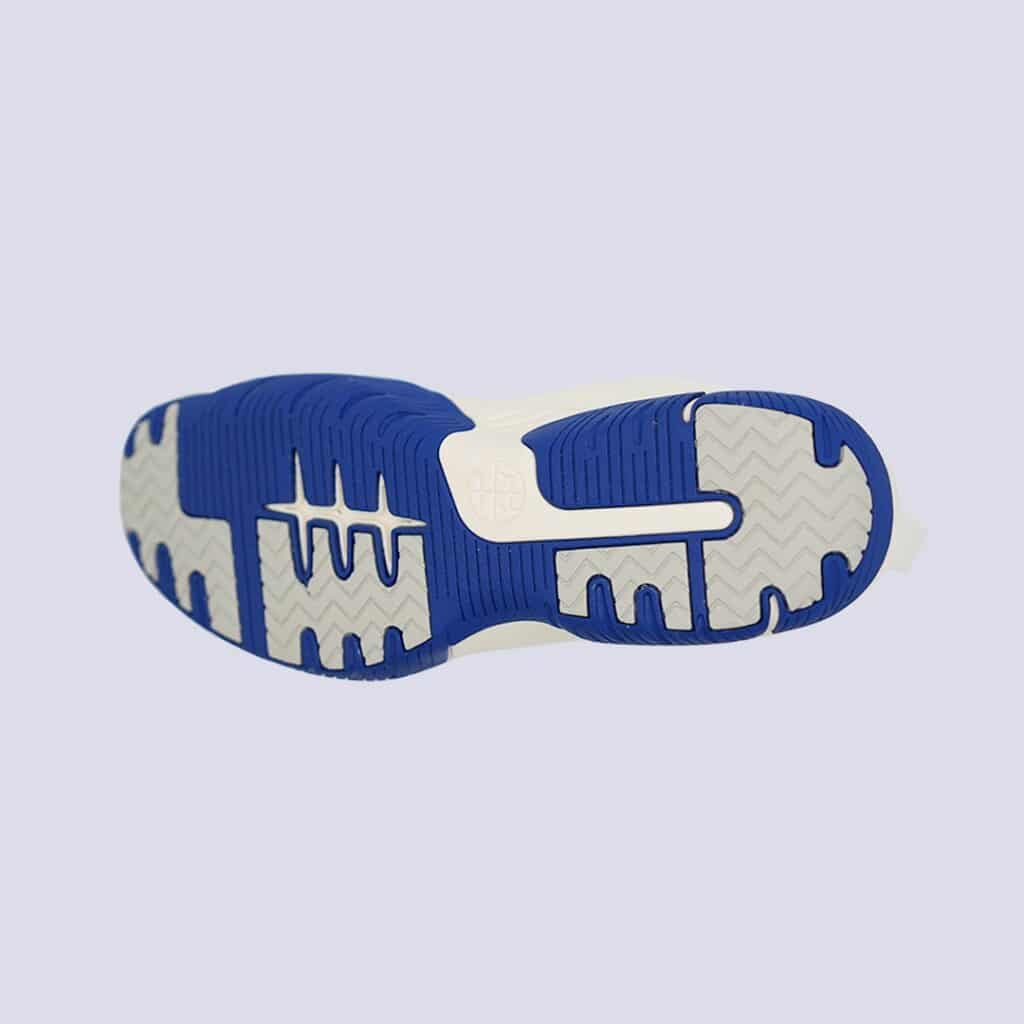
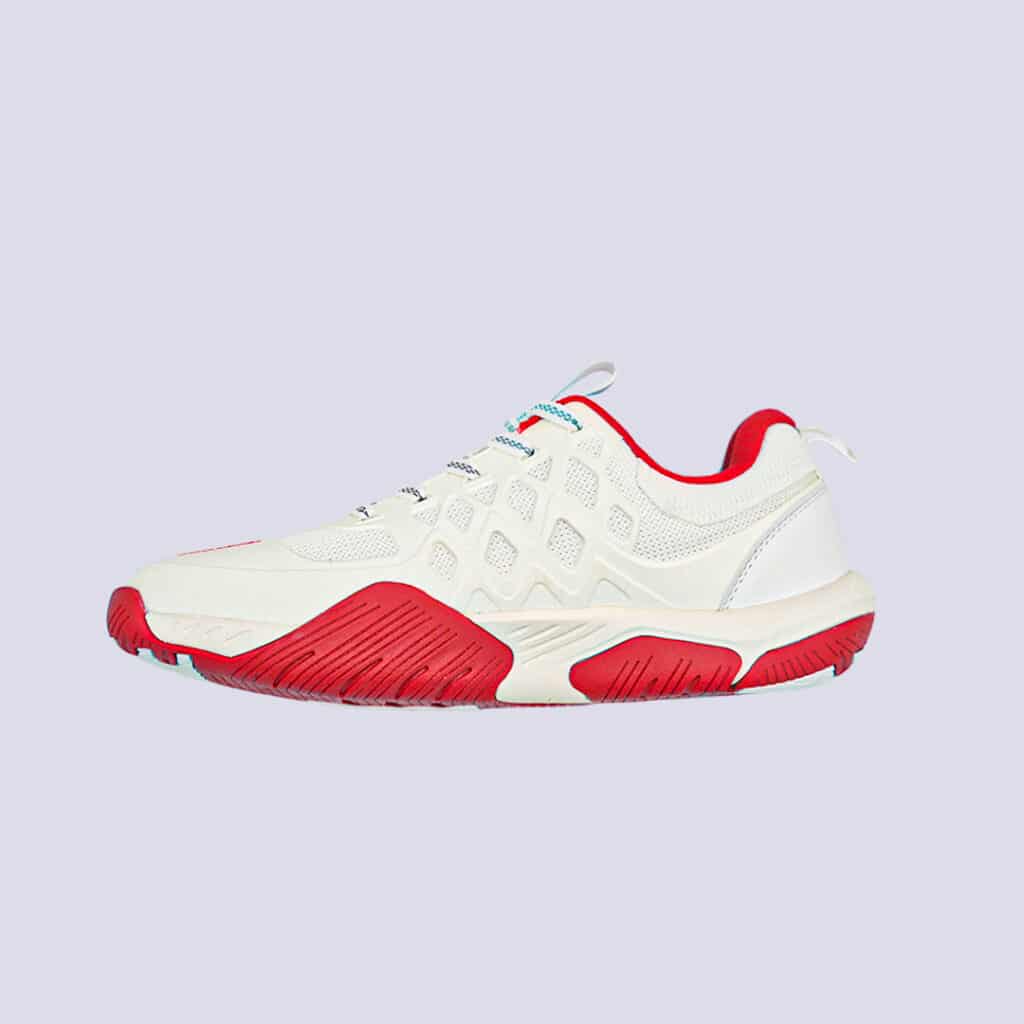
Fencing Shoe Fit Guide: 7 Proven Tips to Find the Perfect Size for Comfort & Stability
Choosing the right fencing shoe fit is one of the most important decisions a fencer can make—yet it’s also one of the most misunderstood. Even premium fencing shoes will fail to deliver comfort, stability, and performance if the fit is wrong. A proper fencing shoe fit directly affects balance, footwork precision, energy transfer, and long-term joint health.
Unlike casual athletic footwear, fencing shoes are designed for a very specific purpose. They must support explosive lunges, sudden stops, rapid retreats, and constant lateral pressure—all while keeping the foot stable inside the shoe. Because of this, fencing shoe sizing requires more precision than standard sneaker sizing. Small differences in length, width, or structure can dramatically change how a shoe performs on the piste.
Proper fencing shoe fit also plays a major role in how long your footwear lasts, a topic we explore further in our guide on fencing shoe durability.
This fencing shoe fit guide breaks down seven proven, practical tips to help you find the perfect fencing shoe size for comfort and stability. Whether you’re buying your first pair or replacing well-worn footwear, understanding proper fencing shoe fit ensures every movement on the piste starts from a stable, reliable foundation.
Why Proper Fencing Shoe Fit Is Critical for Performance and Comfort
Every fencing action begins at the feet. If your fencing shoe fit is correct, your movements feel controlled, efficient, and predictable. The shoe becomes an extension of the foot rather than a separate object you have to manage.
When fencing shoe fit is incorrect—even slightly—you may feel delayed reactions, instability during lunges, or discomfort that distracts you from tactical decisions. Over time, these small issues compound, leading to fatigue and inconsistent footwork.
Fit is not a secondary concern—it is the foundation of footwear performance.
Tip #1: A Proper Fencing Shoe Fit Should Feel Snug, Not Spacious
One of the most common mistakes fencers make is choosing fencing shoes that feel comfortable in the same way running shoes do. Comfort in fencing footwear comes from control, not excess space.
A correct fencing shoe fit should feel snug from the moment you put it on. This snugness limits internal foot movement, allowing faster response during footwork and reducing energy loss with each step.
With proper fencing shoe fit:
The foot feels secure without sharp pressure points
The shoe moves with the foot, not around it
Lateral stability improves immediately
This snug, responsive feel is intentional in competition-level fencing shoes, where even minor internal movement can affect balance during high-speed actions.
Tip #2: Fencing Shoe Sizing Should Prioritize Length Control
Length is the most important element of fencing shoe sizing. Unlike running shoes, fencing shoes should not include extra space in the toe box for forward motion.
When evaluating fencing shoe fit by length:
Your longest toe should lightly touch the front of the shoe
Toes should remain flat and relaxed
There should be minimal forward slide during lunges
Excess length allows the foot to shift forward under braking force, increasing stress on the toes and reducing balance. This difference is one of the key ways how fencing shoes differ from regular athletic shoes, especially when it comes to sizing expectations.
Tip #3: Heel Lock Is Essential for Proper Fencing Shoe Fit
Heel security is one of the most critical aspects of proper fencing shoe fit. During fencing, the heel absorbs repeated impact forces during retreats, landings, and push-offs.
A well-fitted fencing shoe will:
Keep the heel seated at all times
Prevent vertical movement during explosive actions
Improve ankle alignment and balance
Heel movement not only affects stability but also accelerates internal wear. If your heel lifts during lunges or recoveries, the fencing shoe size or shape is incorrect.
Tip #4: Match Fencing Shoe Width to Your Foot Shape
Fencing shoe fit is not only about length—it’s also about width and overall foot shape. Many fencing shoes are built on narrow performance lasts to enhance responsiveness and lateral control.
If the fencing shoe fit is too narrow, you may experience pressure along the forefoot, tingling during extended wear, or discomfort during lateral movement.
Avoid sizing up to solve width problems. Increasing length to gain width often introduces instability and reduces control. Instead, it’s worth comparing how different fencing shoe models are built, as last shape and upper materials vary by design. If you’re unsure which option suits your foot shape, we recommend checking out our fencing shoe comparison guide, which breaks down key differences in fit, structure, and overall feel across popular models.
Tip #5: Midfoot Support Defines Stability and Energy Transfer
A proper fencing shoe fit should feel locked in through the midfoot. This area controls balance, lateral stability, and how efficiently force transfers from the foot into the piste.
When midfoot fit is correct:
The arch feels supported without excessive pressure
The shoe flexes naturally at the forefoot
Side-to-side movements feel controlled and predictable
A weak midfoot fit forces the foot to work harder to stabilize itself, increasing fatigue and reducing consistency—especially during long sessions.
Tip #6: Always Test Fencing Shoe Fit in Motion
Standing still does not reveal true fencing shoe fit. Fencing shoes must be evaluated in motion to confirm sizing and stability.
Tip #7: Break-In Should Improve Fit, Not Cause Pain
Most fencing shoes require a short break-in period, especially models with structured uppers or reinforced soles. However, proper fencing shoe fit should never cause sharp or escalating pain.
Maintaining structure through proper fencing gear storage also helps preserve fit and performance over time.
How Proper Fencing Shoe Fit Improves Long-Term Performance
A proper fencing shoe fit enhances balance, reaction speed, and energy efficiency across long bouts. It also reduces stress on the ankles, knees, and hips—helping prevent overuse issues linked to unstable footwear.
Final Thoughts: Fit Comes Before Everything Else
No piece of fencing equipment influences movement more than footwear. Prioritizing fencing shoe fit ensures comfort, stability, and confidence on the piste.
Choosing properly fitted Prieur USA fencing shoes ensures every lunge, retreat, and recovery begins from a stable, performance-ready foundation.