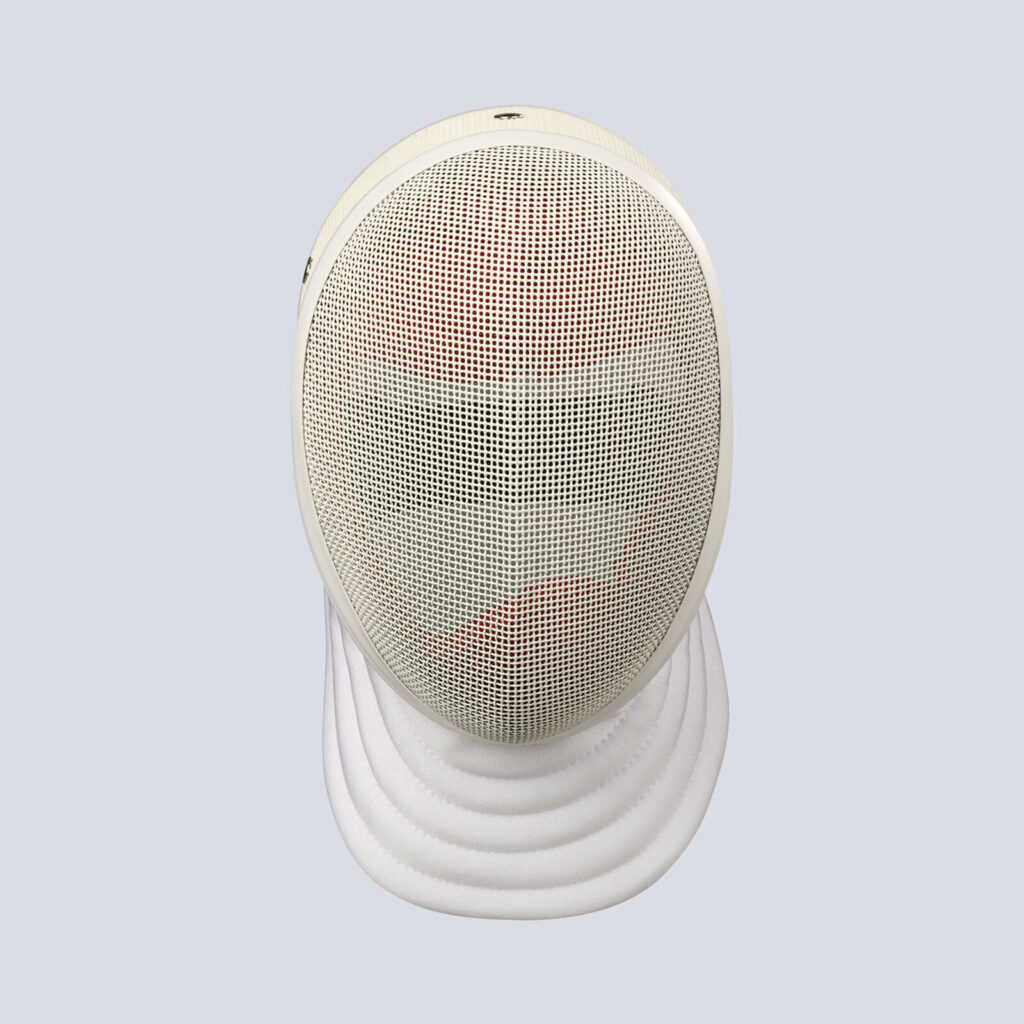
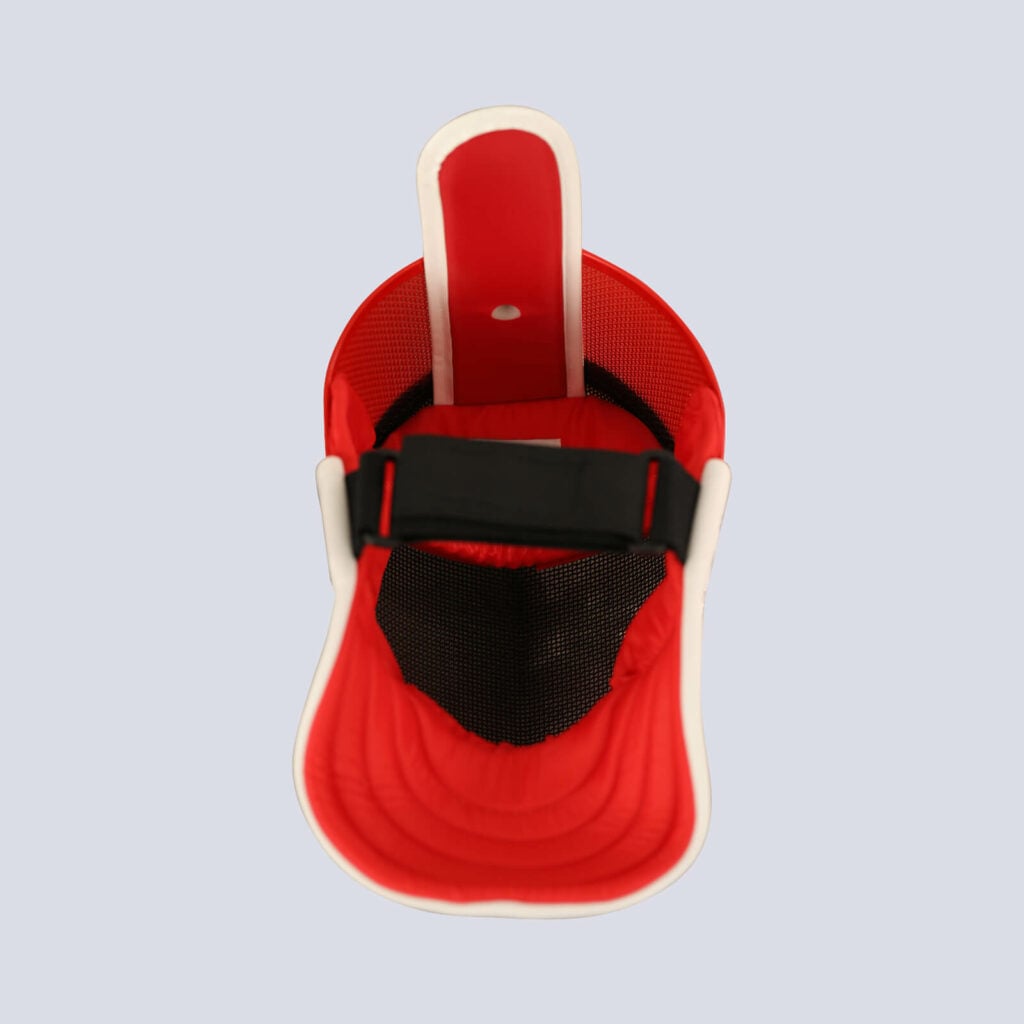
Fencing Mask Maintenance: 6 Essential Steps to Keep Your Mask Safe and Long-Lasting
A fencing mask is the single most important piece of protective equipment a fencer owns. It protects the eyes, face, and throat from direct blade contact while absorbing thousands of high-speed impacts over years of training and competition. No other piece of fencing gear takes as many direct hits or plays as critical a role in preventing serious injury.
Despite its importance, fencing mask maintenance is often overlooked. Many fencers only think about their mask when rust becomes visible, padding starts to smell, or the mask fails inspection on the day of a tournament. By that point, damage has often progressed further than expected.
Unlike jackets or gloves, a fencing mask combines metal, fabric, padding, and structural shape—all of which age differently. Sweat, moisture, pressure, and repeated impact affect each component in unique ways. Consistent fencing mask maintenance ensures that these materials continue to function together as a single protective system, preserving both safety and performance.
This guide outlines six essential steps every fencer should follow to keep their fencing mask clean, safe, and competition-ready for the long term.
Why Fencing Mask Maintenance Is Critical for Safety and Performance
Every fencing action transfers force directly into the mask. Foil flicks snap against the mesh, épée thrusts drive straight into the face, and sabre cuts deliver sharp, whipping impacts. Over time, this constant stress places heavy demands on the mask’s structure.
When fencing mask maintenance is neglected, small issues compound quickly. Moisture trapped in the mesh can lead to corrosion. Padding that never fully dries can compress unevenly. Bib fabric exposed to sweat and friction can thin faster than expected.
Poor fencing mask maintenance increases the risk of:
Rusted or weakened steel mesh
Bib fabric thinning or delaminating
Interior padding breakdown that affects fit
Reduced visibility due to corrosion or residue
Failing equipment inspection unexpectedly
High-quality options like Prieur USA’s FIE-approved fencing masks are engineered for durability and compliance, but even the best equipment depends on proper care. Maintenance is not about overhandling your gear—it is about ensuring your mask performs exactly as designed every time you step on the strip.
Step 1: Dry Your Fencing Mask Immediately After Every Session
The most important rule of fencing mask maintenance is also the easiest to follow: never store a wet mask.
After training or competition, sweat accumulates inside the padding and bib, while moisture from the environment settles into the steel mesh. If a damp mask is placed directly into a fencing bag—especially a closed compartment—rust and odor can begin forming within hours.
After every session:
Remove your mask from your bag as soon as possible
Open it fully so air can circulate through the interior
Allow it to dry naturally in a well-ventilated space
Avoid placing your mask near heaters, radiators, or direct sunlight. Excessive heat can weaken adhesives, warp padding, and prematurely age fabrics.
Using a bag with separate compartments—such as the Prieur Elite fencing bag—helps isolate damp equipment and improve airflow during transport. For lighter setups or younger fencers, the Prieur Rally fencing bag offers structured protection without excessive compression.
Consistent drying is the single most effective habit for extending the lifespan of a fencing mask.
Step 2: Clean the Bib Without Compromising Its Protective Integrity
The bib is one of the most regulated parts of a fencing mask and also one of the most vulnerable. It absorbs sweat, flexes constantly with head movement, and must meet strict puncture-resistance standards to pass inspection.
As part of routine fencing mask maintenance:
Wipe the bib after each session using a clean, damp cloth
Remove surface sweat and salts before they dry into the fabric
Allow the bib to air-dry completely before storage
Occasional gentle hand-washing with mild detergent is acceptable for deeper cleaning, but machine washing should be approached with caution. Heat, harsh detergents, and aggressive spin cycles can weaken internal layers and compromise stitching.
Avoid wringing, twisting, or sharply folding the bib, as repeated stress in the same areas can lead to early failure. If the bib begins to curl, feel unusually thin, or lose structure, the mask may no longer meet safety requirements.
Pairing a properly maintained mask with a durable 800N fencing jacket ensures your upper-body protection works together as a complete system, rather than relying on a single piece of equipment to compensate for wear elsewhere.
Step 3: Inspect the Mesh for Rust, Dents, and Structural Changes
The steel mesh is the heart of your fencing mask. Its ability to distribute force evenly across the face depends on maintaining its shape and integrity.
Regular fencing mask maintenance includes inspecting the mesh under good lighting:
Look for surface rust, especially near weld points and edges
Check for dents, flat spots, or uneven areas
Gently press the mesh to confirm it rebounds evenly
Light surface oxidation can sometimes be removed with a dry cloth, but rust that penetrates deeper into the metal is a sign of long-term moisture exposure. Dented mesh that does not return to shape should never be ignored, even if the damage appears minor.
Premium masks—such as those in Prieur USA’s FIE fencing mask collection—are designed to resist deformation, but no mask is immune to years of heavy use. Regular inspections allow you to catch issues early, before they become safety concerns.
Step 4: Preserve Interior Padding for Stability and Comfort
Interior padding does more than provide comfort—it stabilizes the mask and helps absorb impact energy before it reaches your head. Over time, sweat, pressure, and repeated compression can cause padding to break down.
Good fencing mask maintenance includes checking:
Padding thickness and symmetry
Secure attachment inside the mask
Persistent odors that indicate trapped moisture
If padding becomes uneven or compressed, the mask may shift during lunges, retreats, or head movement. This not only affects comfort but can also reduce protection during unexpected contact.
Dry storage and airflow play a major role in preserving padding. Techniques outlined in Prieur USA’s fencing gear storage guide apply just as much to masks as they do to uniforms and bags.
Step 5: Store Your Mask Properly Between Uses
Storage is one of the most overlooked aspects of fencing mask maintenance. Improper storage leads to mesh deformation, trapped moisture, and accidental damage during transport.
Best practices include:
Never placing heavy items on top of your mask
Avoiding sealed plastic containers that trap humidity
Keeping the mask in a cool, dry environment
During travel, structured fencing bags help prevent compression while maintaining shape. Prieur USA’s fencing bags are designed to accommodate masks without forcing the mesh against weapons or shoes.
At home, storing your mask on a shelf or hanging it by the frame allows consistent airflow and reduces unnecessary stress on the bib and padding.
Step 6: Perform a Full Mask Safety Check Before Competition
Even with excellent fencing mask maintenance, equipment should always be inspected before competition. Before competition, your fencing mask must meet inspection requirements set by national governing bodies such as USA Fencing, which regulate mask construction, bib integrity, and overall safety compliance.
Before competition, confirm:
The bib is intact and securely stitched
The mesh shows no rust or deformation
The mask fits snugly without pressure points
FIE markings are present when required
This check fits naturally into a full equipment review. Inspecting jackets, cords, and weapons together—like those discussed in Prieur USA’s broader fencing equipment maintenance articles—ensures consistency and avoids last-minute surprises.
How Long Should a Well-Maintained Fencing Mask Last?
With consistent fencing mask maintenance, a high-quality mask can last five to seven years, even with regular training. Competitive fencers who train multiple times per week may experience slightly shorter lifespans, but proper care dramatically delays replacement.
Signs replacement may be necessary include:
Rust that returns quickly after cleaning
Mesh that no longer rebounds evenly
Bib fabric thinning, curling, or stiffening
Padding collapse that affects fit and stability
When replacement becomes necessary, choosing a trusted competition-grade option from Prieur USA ensures compliance, durability, and long-term protection.
Final Thoughts: Make Fencing Mask Maintenance Part of Your Routine
Fencing mask maintenance is not a one-time task—it is a habit built into daily training. Drying your mask, inspecting key components, and storing it correctly take only minutes but can add years to its usable life.
A well-maintained mask protects more than your face. It protects your confidence, your focus, and your ability to train and compete without interruption. Treat it with the same care you give your blade, and it will continue to protect you through thousands of actions on the strip.