Guides
Posted in

How Should a Fencing Mask Fit? 7 Essential Checks for Safety, Comfort & Long-Term Protection

fencing mask fit

Choosing the correct fencing mask fit is one of the most important equipment decisions a fencer can make. A properly fitted fencing mask is not only required for competition—it plays a direct role in impact protection, long-term durability, inspection outcomes, and overall comfort during extended use. At Prieur USA, we design and select fencing masks to meet strict safety expectations, but even the highest-quality mask can underperform if the fit is incorrect.

In this guide, we clearly explain how a fencing mask should fit, what to look for when assessing sizing and coverage, and how proper fencing mask fit supports safety, comfort, and long-term equipment longevity. This article complements—but does not duplicate—what we cover in our mask buying considerations, mask inspection, and mask care resources.

Why Fencing Mask Fit Matters

Fencing mask fit directly affects three critical areas: protection, comfort, and lifespan. A mask that fits correctly stays stable during movement, maintains proper coverage of the face, jaw, and throat, and reduces unnecessary stress on the mesh, bib, and internal padding. Poor fencing mask fit, on the other hand, increases the risk of failed inspection, accelerated wear, and compromised safety.

A well-fitted fencing mask should feel secure without being restrictive, maintain consistent contact with internal padding, and align correctly with the fencer’s head and upper chest. These fundamentals apply across all levels, from youth fencing to adult competition.

1. Head Size and Shape Alignment

The first and most foundational check for proper fencing mask fit is overall head size and shape alignment. A fencing mask should match the circumference and contours of the head without excessive pressure points or empty space.

When the mask is worn correctly:

  • The mesh should sit evenly around the face.

  • The sides of the mask should not bow outward or pinch inward.

  • The mask should not rotate or shift when the head turns.

A mask that is too large may rock or slide, while a mask that is too small may press uncomfortably against the forehead or temples. Neither scenario supports safe fencing mask fit or long-term comfort.

Our fencing mask product pages include clear sizing guidance designed to help match head measurements to the appropriate mask size.

2. Internal Padding Contact and Stability

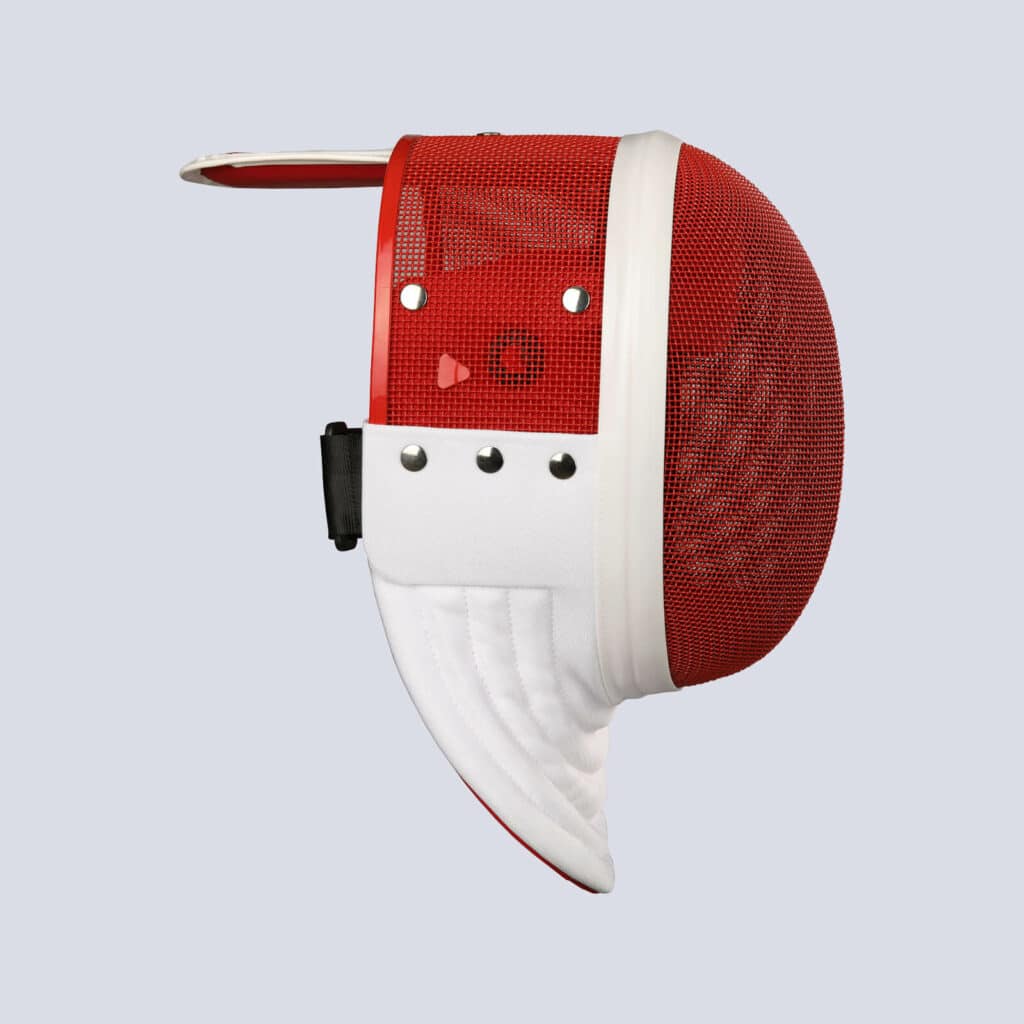
masque épée 350N HR

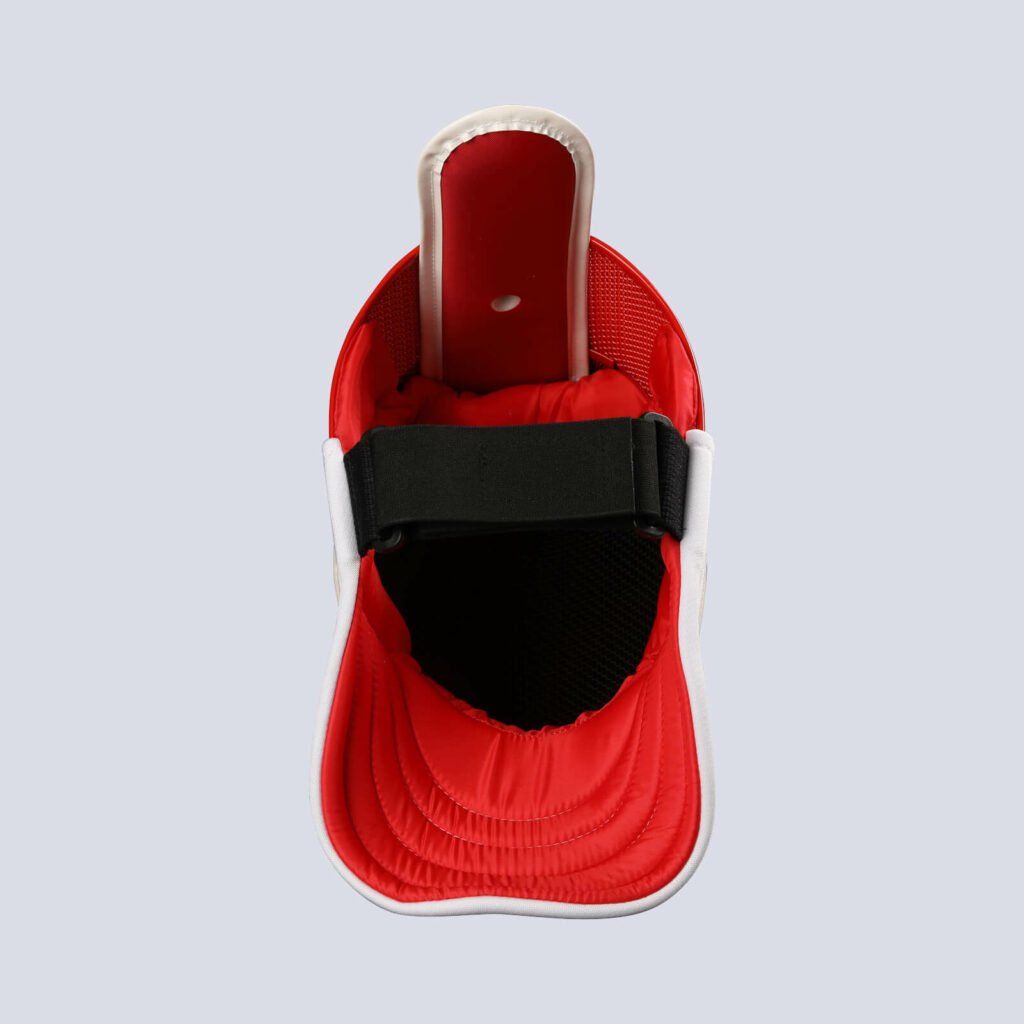
Internal padding plays a critical role in fencing mask fit. The padding should make consistent contact with the head, particularly at the forehead and sides, without gaps or excessive compression.

Proper internal padding contact means:

  • The head is gently supported, not suspended inside the mask.

  • The mask remains stable without relying on excessive strap tension.

  • Pressure is distributed evenly rather than concentrated in one area.

Over time, padding can compress or degrade. Worn padding often leads to a loose fencing mask fit even if the outer shell appears intact. This is one of the most common causes of fit issues during inspection, which we address further in our fencing mask inspection article.

3. Bib Length and Chest Overlap

Bib coverage is a critical but sometimes overlooked aspect of fencing mask fit. The bib must extend far enough to overlap the jacket collar and protect the throat and upper chest area.

A properly fitted fencing mask bib should:

  • Fully cover the throat when the head is upright.

  • Maintain overlap with the fencing jacket in both neutral and lowered head positions.

  • Sit flat against the chest without curling or pulling upward.

A bib that is too short or incorrectly sized may leave exposed areas, which can affect both safety and inspection outcomes. Our fencing mask buying guide explains how bib construction and materials contribute to protection, but correct fit ensures that protection is actually delivered.

4. Jaw, Chin, and Throat Coverage

Correct fencing mask fit ensures that the jaw, chin, and throat are fully protected at all times. The mask should cradle the chin naturally, without forcing the head backward or allowing excessive movement.

Key indicators of proper coverage include:

  • The chin rests securely in the mask without slipping forward.

  • The lower edge of the mesh aligns correctly with the jawline.

  • The throat remains protected by the bib even during head movement.

If the mask presses uncomfortably into the chin or allows the chin to float freely, the fit is likely incorrect. Jaw and throat protection are essential elements of fencing mask fit and should never be compromised.

5. Strap Tension and Secure Closure

replacement mask strap

While straps are adjustable, they are not meant to compensate for incorrect sizing. Proper fencing mask fit starts with the right size; strap adjustment fine-tunes stability.

A correctly fitted fencing mask strap should:

  • Hold the mask firmly in place without excessive tension.

  • Prevent forward or backward movement.

  • Sit flat against the back of the head without twisting.

Over-tightening straps to make an oversized mask feel secure often leads to discomfort and uneven wear. Conversely, loose straps reduce stability and can affect inspection compliance.

6. Comfort Over Extended Use

Comfort is a practical indicator of proper fencing mask fit. A mask that fits correctly should remain comfortable during long sessions without causing pressure points, headaches, or jaw fatigue.

Comfort-focused signs of proper fencing mask fit include:

  • Even pressure distribution across the head.

  • No sharp contact points along the forehead or temples.

  • Breathable interior space without excessive looseness.

Discomfort often signals a sizing or padding issue rather than a break-in period. Addressing fit early helps extend the usable life of the mask and reduces unnecessary wear.

7. Stability and Long-Term Durability

The final check for fencing mask fit is how well the mask maintains its structure and stability over time. A properly fitted mask experiences less stress on the mesh, bib stitching, and padding.

Correct fencing mask fit helps:

  • Preserve mesh shape and resilience.

  • Reduce strain on attachment points.

  • Maintain consistent inspection performance over the life of the mask.

Improper fit accelerates wear, particularly around the bib seam and internal padding. Our guidance on fencing mask maintenance and storage explains how care supports longevity, but correct fit is the foundation.

Common Fencing Mask Fit Mistakes to Avoid

masque épée 350N HR

Several common mistakes account for most fencing mask fit issues:

  • Too loose: Causes shifting, reduced protection, and faster wear.

  • Too tight: Creates discomfort, pressure points, and padding breakdown.

  • Wrong size selection: Leads to reliance on strap tension rather than proper fit.

  • Worn padding: Results in instability even if the mask appears structurally sound.

  • Outgrown youth masks: Common in younger fencers as head size changes.

Addressing these issues early improves safety and avoids unnecessary replacement.

Adult vs Youth Fencing Mask Fit Considerations

Youth fencing mask fit requires special attention due to ongoing growth. A youth mask should fit securely without excessive room, but allowance must be made for gradual changes in head size.

For younger fencers:

  • Fit should prioritize stability and coverage, not future sizing.

  • Regular reassessment is important as growth occurs.

  • Bib length and throat coverage must remain adequate at all times.

Our youth fencing mask content explains age-appropriate sizing and protection considerations while maintaining compliance with safety standards recognized by organizations such as USA Fencing and FIE.

How Proper Fit Affects Inspection Outcomes

Fencing mask fit plays a direct role in inspection readiness. Masks that shift, expose gaps, or rely on worn padding are more likely to fail inspection even if the materials meet requirements.

Proper fencing mask fit supports:

  • Consistent coverage during inspection checks.

  • Stable bib positioning.

  • Reliable strap function.

While we explain inspection criteria in detail in our fencing mask inspection article, correct fit ensures that a compliant mask performs as intended.

The Prieur USA Standard for Fencing Mask Fit

At Prieur USA, we evaluate fencing masks based on real-world fit, comfort, and long-term reliability. Our fencing masks are built with careful attention to sizing accuracy, padding quality, and protective coverage so that fencers can achieve proper fencing mask fit from the start.

When combined with informed buying decisions, regular inspection awareness, and appropriate storage, correct fencing mask fit becomes a long-term investment in safety and equipment performance.

Final Thoughts: Achieving the Right Fencing Mask Fit

Fencing mask fit is not a minor detail—it is a core safety requirement that affects protection, comfort, inspection outcomes, and durability. A properly fitted fencing mask aligns with the head, maintains full coverage, stays stable without excessive tension, and remains comfortable over time.

By understanding head size, padding contact, bib coverage, jaw protection, and age-specific considerations, fencers can confidently select and maintain a mask that performs reliably season after season. At Prieur USA, we are committed to providing fencing masks and protective equipment that support correct fit and long-term use at every level of the sport.

CART 0