Guides
Posted in

Fencing Glove Care & Storage: 6 Smart Ways to Extend Glove Lifespan Safely

fencing glove care

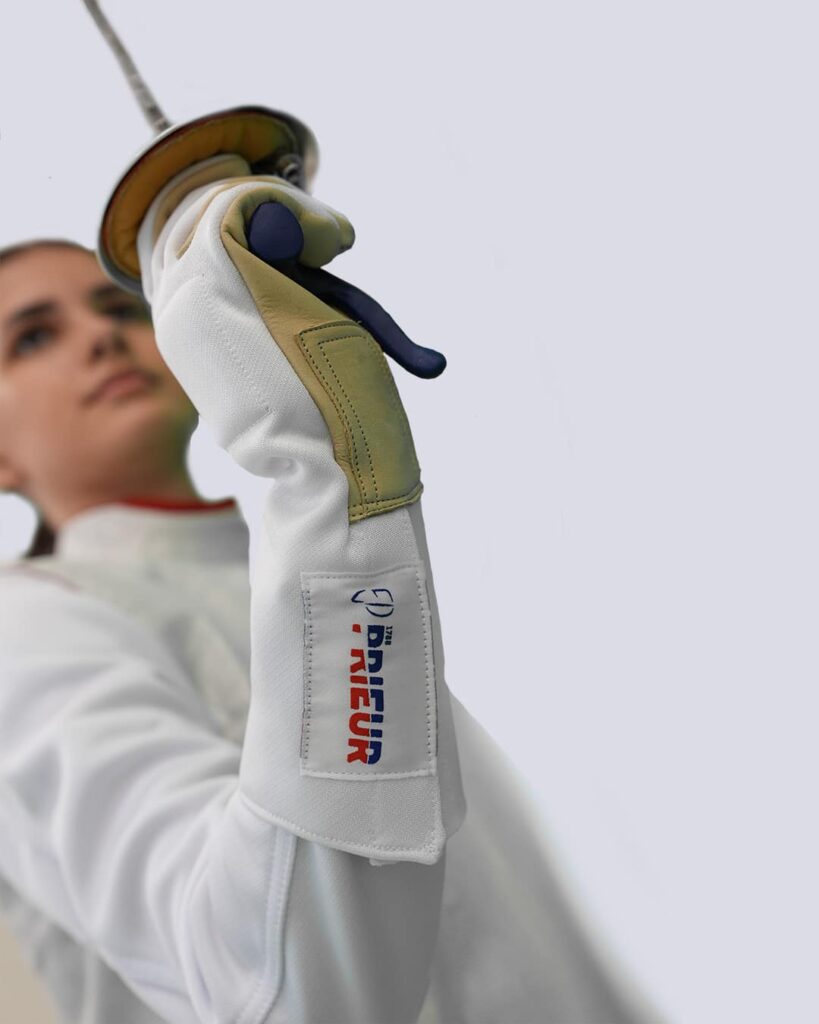
Consistent fencing glove care is essential for preserving hygiene, comfort, and long-term durability. A fencing glove is one of the most frequently worn and heavily stressed pieces of fencing equipment. It absorbs sweat at every session, flexes continuously at the fingers and palm, and experiences constant contact and friction. Without proper care and disciplined storage habits, even a high-quality glove can deteriorate far sooner than expected—leading to odor retention, weakened seams, loss of fit, and compromised reliability.

At Prieur USA, we design and select fencing gloves to meet the demands of regular fencing use while maintaining comfort and structural integrity over time. When supported by correct care practices, those gloves can deliver dependable performance season after season. Below, we outline six smart, equipment-focused ways to extend glove lifespan safely, while strictly respecting material care limits and hygiene standards.

1. Follow Correct Cleaning Rules Based on Glove Materials

clean fencing equipment glove
sabre gloves
Foil and Epee fencing gloves

Effective fencing glove care always starts with cleaning methods that match the glove’s construction. Improper washing is one of the most common causes of irreversible glove damage.

Our leather fencing gloves must only be hand washed in cold, soapy water. This controlled method removes sweat, salt, and surface residue while protecting leather fibers and stitched seams. Leather is a natural material that relies on flexibility and balanced moisture to maintain strength. Aggressive washing strips essential oils from the leather, causing stiffness, cracking, and premature failure.

After washing, leather gloves must be air dried only. Gloves should be gently reshaped and placed in a ventilated area until fully dry. Leather fencing gloves must never be machine washed or machine dried. Heat and agitation can cause shrinking, hardening, seam separation, and permanent loss of fit.

For non-leather fencing gloves, light hand washing in cold water remains the safest approach. Even when materials differ, the same principles apply: controlled cleaning preserves structure and extends usable life. Regardless of material, none of our fencing gloves should ever be machine dried. Machine drying accelerates fiber breakdown, damages elastic cuffs, and weakens internal padding.

Following these cleaning limits precisely is foundational to responsible fencing glove care and long-term equipment reliability.

2. Prioritize Complete Air Drying After Every Use

Moisture control is one of the most critical—and most overlooked—elements of fencing glove care. Gloves that are stored while damp are far more likely to develop odor, internal degradation, and material fatigue.

After each fencing session, gloves should be removed from the fencing bag immediately. Leaving gloves inside a closed bag traps heat and moisture, accelerating bacterial growth and odor retention. Once removed, gloves should be opened fully with fingers spread apart to allow airflow through interior layers where sweat accumulates.

Gloves should air dry at room temperature in a well-ventilated space. Avoid placing gloves near heaters, radiators, or in direct sunlight. Excessive heat can stiffen leather, distort glove shape, and weaken synthetic materials. Forced drying methods may speed up evaporation, but they significantly reduce material lifespan.

Allowing gloves to dry naturally and completely after every use supports hygiene, preserves flexibility, and prevents long-term material breakdown. Consistent air drying is one of the simplest and most effective fencing glove care habits.

3. Store Gloves Properly to Prevent Deformation and Odor

fencing glove

Storage habits directly affect glove longevity. Gloves that are stored incorrectly can lose shape, retain moisture, or suffer unnecessary wear—even when they are rarely used.

Fencing gloves should never be crumpled into tight spaces, compressed under heavy equipment, or sealed in airtight compartments. Compression stresses seams and padding, particularly at the fingers and palm, while airtight storage traps residual moisture.

We recommend storing fencing gloves inside a ventilated fencing bag or breathable section that allows airflow. Our gloves are designed to integrate easily with Prieur USA fencing bags, supporting organized, equipment-safe storage. For a broader look at airflow, humidity control, and long-term gear protection, we explain best practices in our fencing bag storage article, where we focus on preventing odor, mold, and material damage across all fencing equipment.

When placing gloves in a bag, position them flat or lightly folded, away from metal components, weapon tips, or sharp edges that can stress seams. Avoid placing gloves beneath masks, shoes, or weapons for extended periods, as constant pressure can permanently deform padding and finger structure.

Proper storage is a direct extension of effective fencing glove care and plays a major role in preserving glove shape and comfort.

4. Maintain Proper Fit to Reduce Material Stress

Correct fit is a critical factor in glove durability. Even the best care routine cannot compensate for a glove that does not fit properly.

Gloves that are too tight place continuous strain on seams, leather panels, and finger joints. Over time, this stress accelerates thinning, tearing, and seam failure. Gloves that are too loose shift during use, increasing friction and uneven wear across high-contact areas such as the palm and fingertips.

We recommend confirming sizing using our fencing glove fit guide, where we explain how proper fit supports comfort, safety, and equipment longevity. A correctly sized glove should allow full hand movement without overstretching materials or compressing internal layers.

Proper fit reduces unnecessary stress on materials and allows the glove to wear evenly over time. When combined with consistent fencing glove care, accurate sizing significantly extends usable lifespan.

5. Rotate Gloves and Inspect for Early Signs of Wear

Even with excellent fencing glove care, wear is inevitable. Gloves experience repeated stress in specific areas, and proactive monitoring helps prevent sudden failures.

High-contact zones such as the palm, thumb base, and fingertips should be inspected regularly. Look for thinning material, loose stitching, hardened leather, or reduced grip texture. Early identification of wear allows fencers to adjust usage before structural integrity is compromised.

Rotating between two gloves, when possible, gives each pair additional time to fully dry and recover between uses. This reduces moisture exposure and slows material fatigue, particularly for leather gloves.

When wear reaches a point where grip, structure, or safety is affected, replacement becomes necessary. We outline clear indicators in our fencing glove replacement article, helping fencers recognize when a glove has reached the end of its safe service life.

Routine inspection and timely replacement are essential components of responsible fencing glove care.

6. Choose Durable Gloves Designed for Long-Term Use

Longevity begins with product selection. At Prieur USA, we offer fencing gloves designed with reinforced seams, durable materials, and competition-ready construction. These features support consistent use while maintaining comfort and reliability over time.

Our range of Prieur USA fencing gloves prioritizes fit retention, breathability, and structural resilience. Thoughtful material selection and construction reduce the rate of wear when gloves are used and cared for properly.

When high-quality gloves are paired with correct fencing glove care—hand washing leather gloves only in cold, soapy water, air drying all gloves completely, avoiding machine washing and machine drying, and storing gloves responsibly—they provide dependable service across extended use cycles.

Quality equipment delivers its full value only when supported by disciplined care habits.

Hygiene, Safety, and Equipment Responsibility

Clean, well-maintained gloves are not only more comfortable—they also support safer fencing environments. Sweat buildup, odor retention, and material degradation can compromise grip consistency and overall reliability.

Authoritative organizations such as USA Fencing emphasize the importance of maintaining equipment in safe, functional condition. Proper fencing glove care aligns with broader equipment standards and reflects responsible ownership.

Maintaining gloves correctly helps preserve hygiene across an entire fencing kit while reducing unnecessary equipment turnover.

The Long-Term Value of Consistent Fencing Glove Care

Establishing a reliable fencing glove care routine delivers long-term benefits:

  • Extended glove lifespan and reduced replacement frequency

  • Improved hygiene and odor control

  • Preserved fit, flexibility, and grip consistency

  • Reduced risk of seam failure or material breakdown

  • Better overall organization within fencing bags

By hand washing leather gloves only in cold, soapy water, air drying all gloves completely, avoiding machine washing and machine drying entirely, and storing gloves properly in ventilated spaces, fencers protect both their hands and their equipment investment.

At Prieur USA, we build fencing gloves with durability in mind—but proper care is what allows that durability to be fully realized. With these six smart practices, fencing glove care becomes a straightforward, dependable part of responsible equipment ownership.
CART 0