Fencing Shoes Durability Guide: 7 Powerful Tips to Know When to Replace Your Shoes
Fencing is a sport built on speed, control, and precision—and nothing affects those three more than your footwear. Your fencing shoes endure constant lunges, explosive changes of direction, and hundreds of impacts per training session. That means their lifespan is shorter than most athletes expect.
This guide explains how long fencing shoes typically last, what affects their durability, and the seven key warning signs that tell you it’s time to replace them. Whether you’re a new fencer buying your first pair or a competitive athlete pushing your gear to the limit, this article gives you expert insight into maximizing performance and preventing injury.
In many cases, fencing shoes don’t fail all at once—they break down in stages. Traction fades first, then cushioning begins to flatten, and finally the shoe structure itself starts to give way. Recognizing these stages early keeps you moving with confidence and reduces the risk of developing foot or joint pain from worn-out equipment.
Why Fencing Shoes Wear Down Faster Than Regular Athletic Shoes
Unlike running shoes or cross-trainers, fencing shoes are engineered for intense lateral movement, sudden stops, deep lunges, and powerful toe/heel pressure. Each movement puts stress on the outsole, midsole, and upper in a way no general athletic shoe is designed for.
Key durability demands include:
Toe drag on lunges
High friction from repeated explosive pushes
Constant torsion during directional changes
Abrasion against textured strips and gym floors
High-impact landings on the heel during recovery
These forces target specific areas of the shoe, which is why fencing shoes often show uneven wear patterns. This means even the best fencing shoes have a finite lifespan—and knowing when to replace them keeps you safe, fast, and balanced on the strip.
Repeated explosive footwork places high stress on the feet and lower joints. USA Fencing’s Sports Medicine resources provide additional guidance on safe training practices
How Long Do Fencing Shoes Usually Last?
The lifespan varies depending on training volume, competition frequency, and technique, but general ranges include:
• Light Use (1–2 sessions per week): 12–18 months
Recreational fencers or youth fencers often get the longest lifespan.
• Moderate Use (2–3 sessions per week): 8–12 months
The average competitive club fencer falls here.
• Heavy Use (4–6 sessions per week): 4–8 months
Competition-focused athletes wear out fencing shoes the fastest due to higher volume and intensity.
• Elite/High-Performance Training: 3–6 months
Intense footwork and training loads dramatically shorten lifespan—especially for sabre and foil athletes who rely heavily on explosive movement.
These timelines assume fencing shoes, not running shoes. Running shoes are not designed for fencing movements and break down much faster, compromising stability and safety. It’s also common for high-level fencers to rotate two pairs: one for daily training to absorb the wear, and one kept “fresh” for tournaments.
7 Powerful Tips to Know When It's Time to Replace Your Fencing Shoes
These are the most reliable indicators that your fencing shoes are affecting your performance, safety, or comfort.
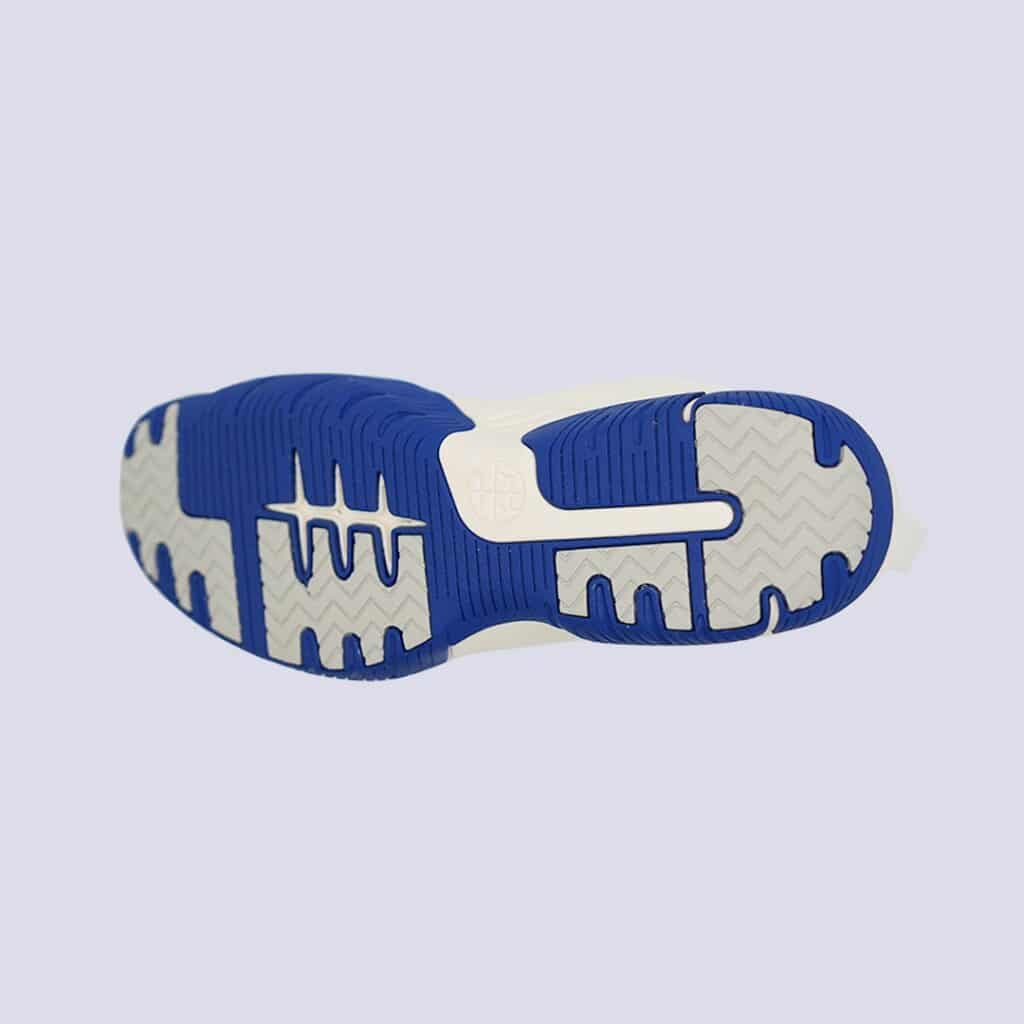
1. The Outsole Is Wearing Flat—Especially Under the Ball of the Foot
The ball of your foot is the highest-pressure zone in fencing. If you notice:
Smooth patches
Bald spots
Loss of traction
Worn treads
…your push-off power will drop, and your risk of slipping increases—especially on polished floors.
2. Heel Cushioning Feels Compressed or Dead
Good heel cushioning protects your joints and absorbs impact during recovery. If you start feeling:
Sharp heel impact
Knee or ankle discomfort
Reduced “bounce”
…the midsole has likely compressed. Cushioning only breaks down—never rebounds.
3. You Notice the Toe Is Thinning or Peeling From Lunges
The leading foot during a fencing lunge drags and grinds across the floor repeatedly. Over time, that friction can cause:
Layers peeling
Toe fabric thinning
Rubber separating
Holes forming on or near the big toe
Once the toe starts to peel, the shoe’s structural integrity rapidly declines.
4. The Shoe Loses Lateral Support
Fencing shoes are designed with extra lateral stability for powerful changes of direction. If your foot slides inside the shoe or the upper material feels soft or “stretched,” you’ll lose control on fast stop-starts.
Signs include:
Rolling ankles
Dragging the rear foot unintentionally
Losing stability on retreat or advance
This is one of the most common injury risks for worn fencing shoes.
5. The Sole Starts Separating From the Upper
Once the glue bond begins to fail, it rarely stops. This can appear as:
Gaps between the upper and sole
Detaching in the heel
Flapping edges
Visible glue separation
This is an immediate sign to replace your fencing shoes. A separating sole can catch on the floor and cause falls.
6. Your Footwork Feels Slower, Heavier, or More Painful
Your body often notices shoe wear before your eyes do. If any of these sound familiar, your fencing shoes may be affecting performance:
Foot fatigue comes sooner
Lunges feel heavier
Push-offs feel dull
Balance feels slightly unstable
You finish practice with foot pain you didn’t have before
Athletes frequently describe worn fencing shoes as feeling “mushy” or “less responsive.”
7. You’ve Hit 70–100 Hours of Training in Competition-Level Conditions
For competitive fencers, durability is best measured in training hours, not months.
A solid rule of thumb:
70–100 hours of intense footwork = end of optimal performance life
You can still use them for practice after this point, but for tournaments, fresh fencing shoes give a measurable boost in speed and responsiveness.
Factors That Affect How Long Fencing Shoes Last
Several variables directly influence durability:
Surface Type
Wood and sport courts = longest lifespan
Abrasive concrete or textured strips = increased wear
Rubberized surfaces = faster outsole smoothing
Weapon
Foil & sabre athletes typically wear out shoes faster due to explosive footwork patterns.
Épée athletes have lower-intensity toe drag but higher heel impact.
Technique
Toe drag habits
Heavy landings
Poor shock absorption mechanics
Aggressive sliding
Even small technique adjustments can extend the lifespan of fencing shoes.
Fencer Size & Strength
Stronger athletes generate more force, compressing cushioning faster.
Rotation Strategy
Athletes who rotate 2 pairs of fencing shoes often double their total lifespan.
How to Extend the Life of Your Fencing Shoes
A few maintenance habits dramatically affect durability:
Keep a second pair for tournaments only
Avoid wearing fencing shoes outside the strip
Let them fully dry between practices
Remove insoles after heavy sessions
Clean the outsole weekly to maintain grip
Store indoors away from heat exposure
Small habits extend life—and reduce the cost of frequent replacements.
When to Replace Fencing Shoes: Quick Checklist
Your fencing shoes likely need replacing if:
Traction is visibly worn
Toe rubber is peeling
Heel cushioning feels flat
Sole is separating
You’re slipping during footwork
You feel new foot or ankle pain
You’ve reached 70–100 intense hours of training
If you check two or more boxes, it’s time.
Recommended Next Steps: Choosing Your Next Pair
When your fencing shoes are ready for retirement, consider:
Lightweight models for speed-oriented fencers
Supportive or cushioned models for injury prevention
Shoes with reinforced toes if you have strong lunges
Models with durable lateral walls for sabre/foil athletes
Pairing fencing shoes with quality socks and insoles also increases comfort and lifespan.
Additionally, think about your training environment. If your club uses textured flooring or metallic strips, choose fencing shoes with more durable outsoles. If you train primarily on wood or smooth sport courts, a lighter, more flexible model may offer better speed and agility. Training volume should also guide your choice—high-frequency athletes benefit from rotating pairs to preserve performance during tournaments.