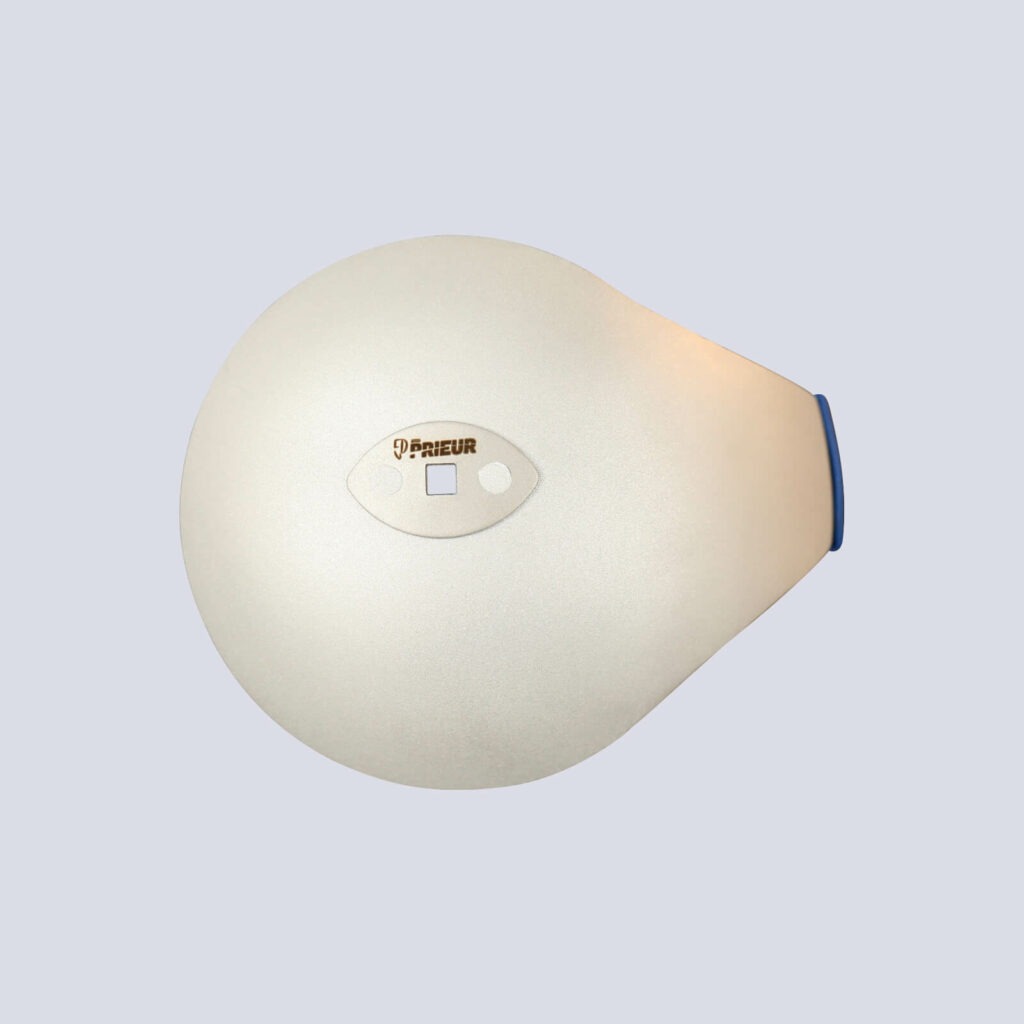
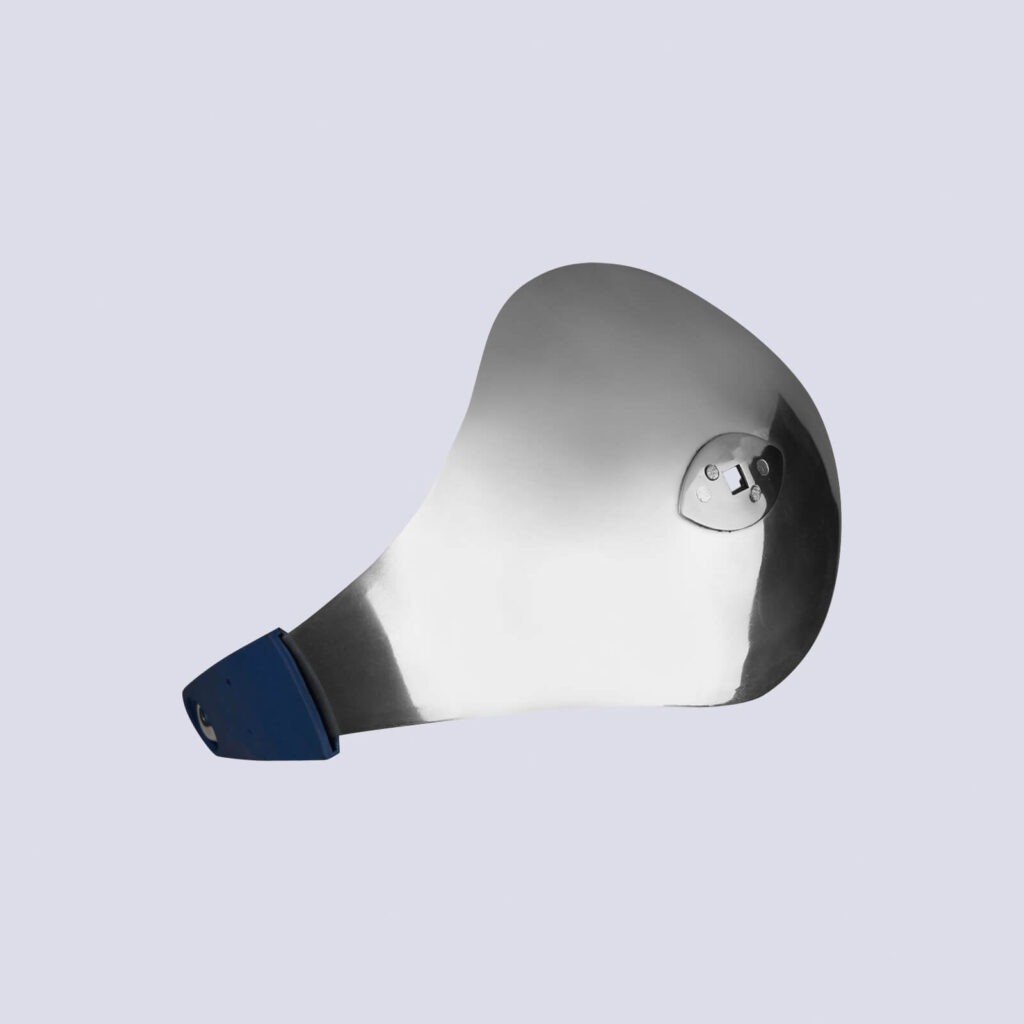
5 Key Differences Between Titanium and Ultralight Sabre Guards: Choose the Best Setup for Speed and Control
In modern sabre fencing, athletes constantly look for ways to make their weapon faster, lighter, and more responsive. While blades and grips often get the most attention, the choice of sabre guard plays a huge role in how the weapon moves, how quickly it accelerates, and how stable it feels in your hand. For fencers who want the fastest possible setup, the two most popular lightweight options are the Titanium Sabre Guard (118g) and the Ultralight Sabre Guard (134g).
Both dramatically reduce weight compared to a standard guard, but they deliver very different performance characteristics. Understanding these differences will help you choose the exact guard that improves your personal fencing style, maximizes your speed, and gives you the most control on every action. If you’re comparing guards or upgrading your setup for competition, this guide breaks down the five key differences that matter most when choosing between a titanium guard and an ultralight sabre guard.
1. Weight Difference: Titanium Delivers the Lightest Sabre Guard Available
When fencers search for the best ultralight sabre guard, the very first metric they compare is weight. Guard weight affects every action your hand performs: disengages, cuts, recoveries, feints, parries, and second-intention actions. Even a small difference in grams dramatically changes the feel of the weapon.
Titanium Sabre Guard — 118g
With a weight of only 118 grams, titanium provides the lightest practical sabre guard option available. The difference is instantly noticeable, especially for wrist-based fencers who rely on tight, explosive movements. A titanium guard creates a weapon that feels almost effortless to accelerate.
Ultralight Sabre Guard — 134g
At 134 grams, the Ultralight Guard is still significantly lighter than a standard steel guard, making it a legitimate contender in the ultralight sabre guard category. It gives the weapon a fast, nimble feel without being quite as extreme as titanium.
Why 16 grams matters (more than you think)
Sixteen grams may sound small, but on a sabre it’s located at the very end of the weapon — the point where weight has the greatest mechanical impact. This affects your fencing in ways you can feel immediately:
Faster initial acceleration
Sharper changes of direction
Quicker disengages during compound attacks
Cleaner cut-and-recover movements
Less fatigue in the wrist and hand
Higher overall speed during long bouts
If your goal is to build the lightest and fastest ultralight sabre guard setup possible, titanium clearly wins this category.
2. Balance and Handling: Titanium Pulls the Balance Point Back
The next major difference between these two guards is how they affect the weapon’s balance point, which directly influences handling. A lighter guard shifts the point of balance closer to your hand, making the sabre more reactive and easier to maneuver.
How Titanium Handles
Because it is the lightest option, the titanium guard produces the most dramatic balance shift. Fencers often describe titanium-based sabres as:
Extremely quick in the fingers
Almost weightless during feints
Effortless to accelerate
Highly responsive during tight wrist movements
Ideal for high-speed, deceptive fencing
Titanium is especially effective for fencers who use:
Fast point control
Tight disengages in close distance
Second-intention parry-riposte actions
Snapping wrist cuts
Quick balestras followed by explosive hand actions
Every movement feels cleaner and sharper with a titanium ultralight sabre guard setup.
How the Ultralight Guard Handles
The Ultralight Guard produces a lighter feel than a traditional guard, but with slightly more forward mass than titanium. This gives the sabre a more grounded presence that some athletes prefer.
Benefits include:
Greater stability during wide parries
More authoritative beats
A bit more follow-through on cuts
A more anchored, controlled blade line
A balanced feel for fencers who rely on larger actions
Fencers who dislike an overly “floaty” weapon often find the Ultralight Guard ideal because it still feels fast, but maintains a sense of forward momentum.
3. Durability and Structural Strength: Titanium Is the Most Resilient Material
While weight and handling determine how your ultralight sabre guard performs on the piste, durability determines how long it will maintain that performance.
Titanium Guard Durability
Titanium is renowned for its strength-to-weight ratio. It absorbs impact without deforming, dents less easily, and maintains its shape season after season. For fencers who train frequently or compete at high levels, titanium offers unmatched reliability.
Advantages include:
Exceptional resistance to dents
Superior long-term shape retention
Excellent performance under high-impact parries
Multi-season durability
Lower risk of structural fatigue
A titanium ultralight sabre guard effectively pays for itself over time, because it avoids the warping and wear that other guards experience.
Ultralight Guard Durability
The Ultralight Guard is strong enough for regular training and competition, but it is not as resilient as titanium. Over time, heavy blade contact can create subtle dents or changes in shape. This doesn’t make the weapon unsafe, but it can change how the weapon feels.
Most fencers consider the Ultralight Guard excellent for:
Club-level fencing
Early competition stages
Lighter parry styles
Budget-conscious athletes who want ultralight performance
But for fencers who absorb a lot of impact or train several days per week, titanium provides the longest service life.
4. Shock Absorption and Impact Feel: Titanium Produces Cleaner Feedback
Because sabre involves constant blade contact — parries, beats, engagements, stop-cuts — the material of the guard changes how much vibration reaches your hand.
Titanium Guard Feel
Titanium naturally dampens vibration better than aluminum or steel. This results in:
Cleaner, more controlled impact sensations
Less sting during hard parries
Reduced wrist fatigue over long training sessions
Improved stability during rapid follow-up actions
A more refined, competition-quality feel
For fencers who rely heavily on fast parry-riposte exchanges, titanium offers a comfort and consistency advantage that’s hard to match.
Ultralight Guard Feel
The Ultralight Guard transmits slightly more vibration, which some fencers actually prefer. Increased feedback allows the hand to feel more connected to the blade and makes certain actions easier to time, such as:
Beats
Blade takes
Stop-cuts against preparation
Counter-attacks
Strong parries in close distance
This difference is mostly a matter of personal preference, but it’s significant enough to influence many fencers’ decisions between the two ultralight sabre guard options.
5. Price and Long-Term Value: Two Distinct Investment Levels
Finally, choosing between a titanium guard and an ultralight sabre guard often comes down to how much you want to invest in your equipment and what type of fencer you are.
Titanium Guard
Titanium requires a higher upfront investment, but offers:
The lightest weight
The fastest handling
The best durability
The longest lifespan
Reduced vibration
The most premium competitive performance
For high-level athletes, tournament fencers, and anyone who wants the fastest possible weapon, a titanium ultralight sabre guard is the best long-term value.
Ultralight Guard
The Ultralight Guard provides excellent performance at a more accessible price. It’s ideal for:
Beginners upgrading from a basic guard
Intermediate competitors
Fencers who want noticeable speed improvements
Athletes who prefer a bit more forward balance
Anyone seeking a cost-effective lightweight setup
You still get a true ultralight sabre guard feel—just not the extreme responsiveness that titanium provides.
Which Guard Should You Choose?
Here is the simplified breakdown based on fencing style and preference:
Choose the Titanium Guard (118g) if you:
Want the lightest ultralight sabre guard possible
Rely on explosive wrist speed
Prefer ultra-fast acceleration
Compete frequently
Train multiple days per week
Want a guard that maintains shape for years
Prefer cleaner, muted vibration feedback
Choose the Ultralight Guard (134g) if you:
Want a lightweight upgrade at a lower price
Prefer a bit more forward balance
Like a grounded, controlled weapon feel
Want more tactile vibration feedback
Train at moderate intensity
Are upgrading from a standard guard
Want a fast sabre without going full titanium
Lorem ipsum dolor sit amet, consectetur adipiscing elit. Ut elit tellus, luctus nec ullamcorper mattis, pulvinar dapibus leo.
Both guards offer significant performance upgrades, but each fits a different fencing style and budget. Whether you want the absolute fastest setup or a balanced ultralight sabre guard with excellent value, understanding these differences ensures you choose the guard that elevates your fencing.
Ready to Upgrade Your Sabre for Maximum Speed?
Whether you prefer the unmatched lightness of titanium or the balanced performance of an ultralight sabre guard, upgrading your guard is one of the easiest ways to instantly improve your weapon’s feel and responsiveness. Choose the guard that fits your style, build your ideal setup, and step onto the piste with a faster, more controlled sabre in hand.
Take your performance to the next level — upgrade your sabre guard today.