Critical Fencing Gear Replacement Guide: Don’t Let Worn Equipment Put You at Risk
Every fencer’s equipment eventually wears down — even the best FIE gear. Knowing when and how to replace it keeps you safe, compliant, and performing at your best. In this fencing gear replacement guide, we’ll explain how long fencing gear lasts, what signs to look for, and how to make your gear last longer.
Whether you fence once a week or train daily for competition, this guide will help you stay sharp and protected on the piste.
Why Fencing Gear Replacement Matters
Fencing gear is more than just clothing — it’s armor designed to protect you from high-speed impacts. Over time, wear and tear reduce the strength and reliability of your equipment. Regular fencing gear replacement ensures:
Consistent protection during practice and competition.
Compliance with FIE or USA Fencing safety rules.
Better comfort and freedom of movement.
A professional appearance that reflects care and discipline.
Ignoring replacement schedules can lead to gear failure during a bout or rejection at equipment check — two problems no fencer wants before competition.
How Long Does Fencing Gear Last?
Lifespan depends on use frequency, washing habits, and competition level. A beginner who fences weekly might keep their gear for years, while national-level athletes replace items more often.
Item
Typical Lifespan
Replacement Signs
Mask
2-4 years
Loose mesh, cracked bib, rust, or dents
Jacket & Pants
3-6 years
Thinning fabric, seam tears, zipper damage
Plastron
4-7 years
Fraying edges or thinning fabric
Glove
6-12 months
Holes or loss of grip texture
Lame (Foil/Sabre)
1-3 years
Dead spots, corrosion, or conductivity loss
Body Cord & Mask Cord
3-5+ years (repairable)
Frayed insulation or loose connectors
Weapon (Foil/Epee/Sabre)
6-18 months
Frequent tip failures, bends, breaks, or stripped threads
Shoes
8-18 months
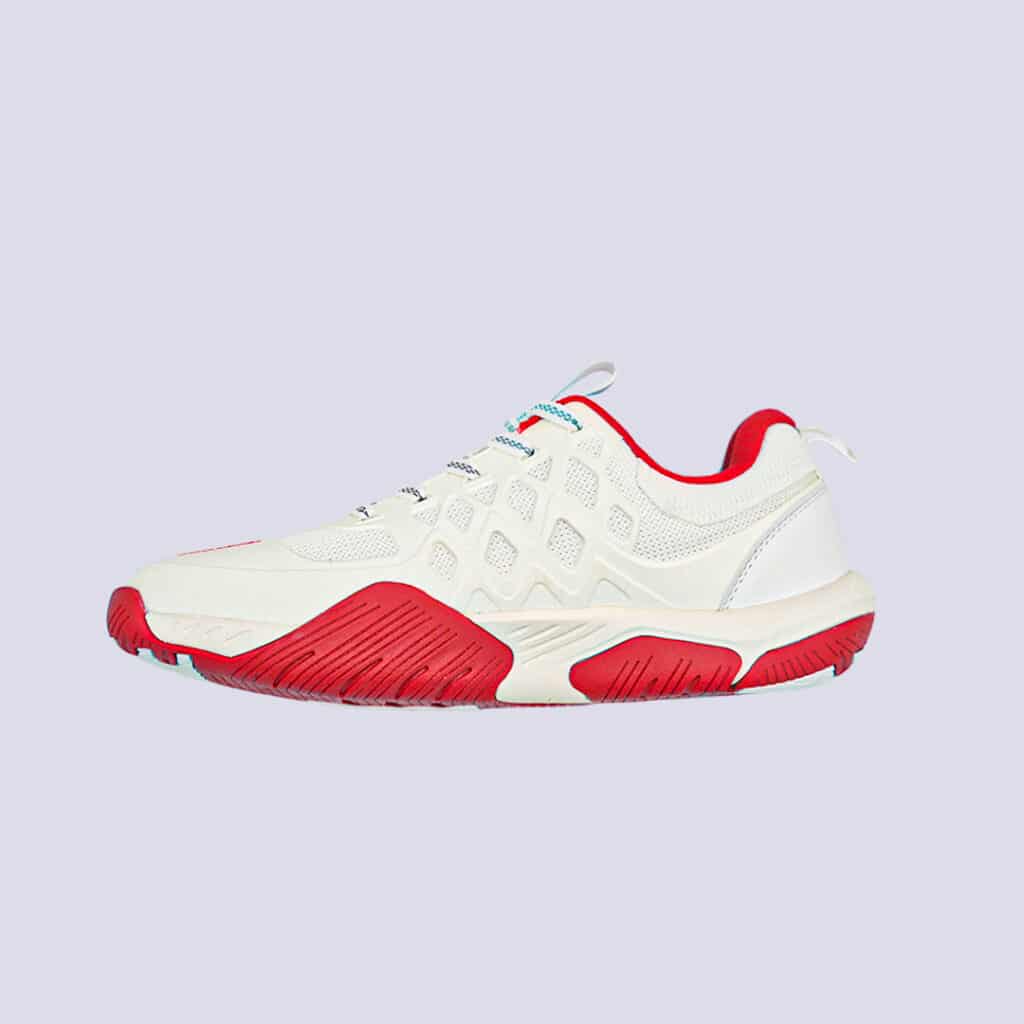
Worn soles, poor grip, or midsole compression
Fencing Mask (2–4 Years)
Your mask is your first line of defense. Over time, sweat and repeated impacts can weaken the mesh or padding, making fencing mask replacement essential for safety.
When to Replace
Mesh shows dents, rust, or deformation.
The bib softens or separates from the frame.
Interior padding flattens or smells even after cleaning.
The elastic strap loosens permanently.
Pro Tip: Never store your mask in a closed, damp bag. Air it out after each session. → Prieur 1600N FIE Mask
Jacket and Pants (3–6 Years)
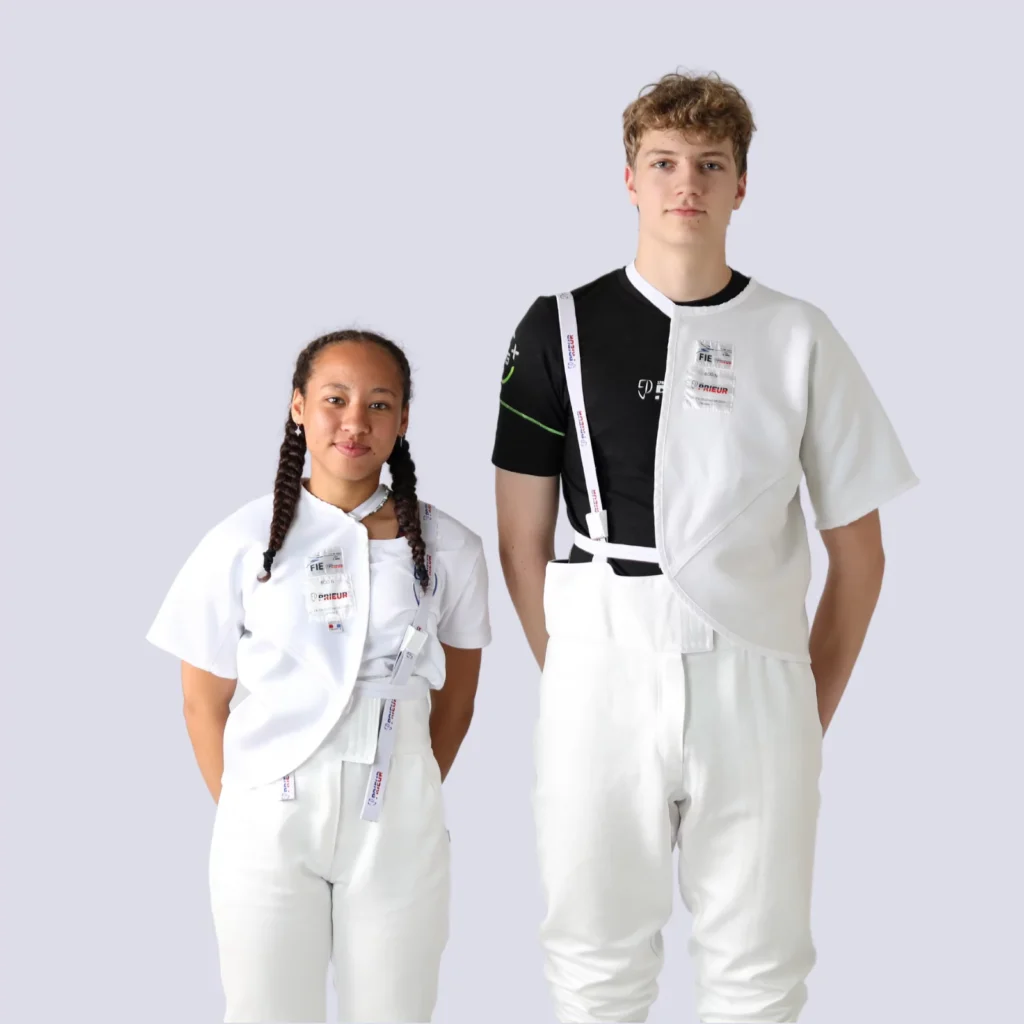
Uniforms (350N or 800N) take daily stress from lunges, parries, and washes. Even the best stitching and fabric lose elasticity over time.
When to Replace
Visible holes, thinning, or pilling on sleeves or legs.
Zippers or Velcro stop holding properly.
Fabric feels stiff, rough, or heavy after washing.
Fencing Gear Replacement Tips: How to Extend Lifespan
Air Everything Out — Never store damp gear in your bag. Hang your jacket, glove, and mask after every session.
Wash Correctly — Use cold water, skip fabric softener, and air-dry uniforms.
Rotate Equipment — Alternate gloves and cords to distribute wear.
Store Properly — Use a structured fencing bag for protection. → Link internally to: Fencing Bag Collection
Inspect Regularly — Catch small tears, loose zippers, or rust early.
Competition Readiness and Safety Checks
At tournaments, referees or armorers can disqualify worn gear or reject damaged pieces. Regular fencing gear replacement ensures your setup meets all standards and prevents last-minute stress.
If you’re uncertain about an item’s safety, replace it. Gear is your protection — not the place to cut corners. Regular fencing gear replacement keeps you safe, compliant, and confident every time you step on the piste.
Final Thoughts
Fencing equipment is an investment in both performance and safety. Following a consistent fencing gear replacement schedule helps you fence confidently, comply with rules, and save money by preventing damage.
At Prieur USA, we offer everything you need to refresh your setup — from FIE Superlight uniforms to BF and STM blades, lames, and performance shoes. Each item is built for durability, comfort, and reliability, helping you fence at your best for years to come.
Ready to refresh your kit? → Visit PrieurUSA.com to explore our latest fencing gear replacement options and start your next season fully equipped.