Guides
Posted in

Pack Like a Pro: The Ultimate Fencing Gear Checklist for Every Level

Whether you’re gearing up for a fencing class or flying across the country for a national event, one thing every fencer has in common is the sacred ritual of packing their bag. It’s where performance, comfort, and preparation meet — and where every forgotten glove or body cord can make or break your day.

In this guide, we’ll unpack the ultimate fencing gear checklist for every level — from club beginners to competitive athletes — and show how you can streamline your setup with Prieur’s trusted fencing equipment, designed for performance and durability.

The Foundation: What Every Fencer Needs

Before diving into competition-specific setups, every fencer’s bag starts with the same foundation. Whether you fence foil, epee, or sabre, you’ll need the following:

Protective Clothing

Your fencing uniform does more than meet regulations — it’s your first layer of safety and mobility.

  • Jacket (350N or 800N): The jacket should fit snugly but not restrict motion. Prieur’s 800N Competition Jacket is FIE-approved, designed for all weapons, and built to last through intense training and competition seasons.

  • Plastron (Underarm Protector): Adds crucial protection on the weapon side. Required for all events.

  • Fencing Pants: Must overlap the jacket by at least 10 cm and reach just below the knees. Explore Prieur’s 350N and 800N Pants to match your competition level.

  • Knee-high Socks: Always pack an extra pair — tournaments can run long.

  • Glove: Choose a glove with reinforced padding and a secure cuff. The Prieur 800N Glove combines comfort with compliance for all levels.

  • Mask: Choose 350N for club fencing or 1600N FIE masks for sanctioned events. Prieur offers a full color range — black, white, blue, red, and pink — so you can fence safely and stylishly.

Women's fencing FIE jacket

💡 Pro Tip: Masks and uniforms must meet specific resistance standards (350N or 800N) depending on your level of competition.
For official safety regulations, see the USA Fencing Equipment Rules or FIE Equipment Standards.

Weapons & Accessories

Even the best gear won’t help if your weapon fails mid-bout. Keep these essentials ready and checked:

  • Weapon(s): Always have at least two working weapons for tournaments — three is ideal.

    • For club training, a single weapon is fine.

    • For travel events, pack spares and label each one with your name and club.

    • Browse Prieur epees, foils, and sabres — all built for balance, precision, and reliability.

  • Body Cord(s): Bring at least one backup. Prieur body cords are competition-approved and durable.

  • Mask Cord (Foil/Sabre): Keep an extra in a small side pocket.

  • Allen Key & Small Tools: A hex key, screwdriver, and spare tips or springs can save your day mid-round.

  • Tape: Always keep Tesa tape in your bag — it’s the fencer’s go-to for securing body cords, reinforcing grips, or quick repairs.

Fencer’s Essentials Beyond Gear

A well-prepared fencer packs for performance, not just compliance. Here’s what often separates seasoned competitors from beginners:

  • Towel: For between bouts or quick wipe-downs.

  • Water Bottle: Hydration matters more than you think — especially at long events.

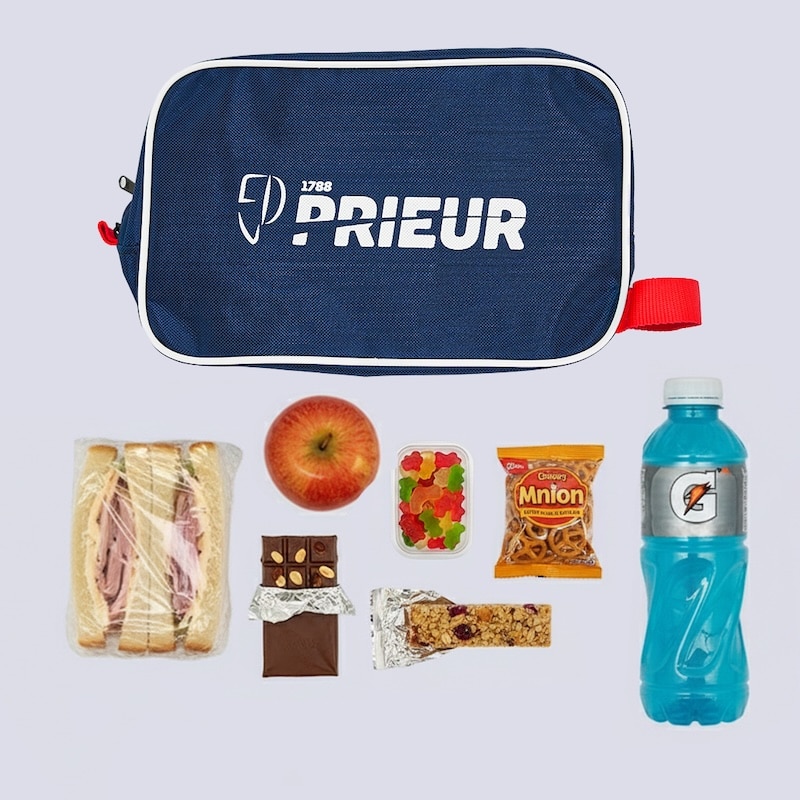
  • Snacks: Protein bars, bananas, or trail mix for sustained energy.

  • Change of Shirt: A dry shirt between rounds can make a huge difference.

  • Mini First Aid Kit: Bandages, blister pads, tape, and pain relief cream.

  • Notebook or Phone Notes: Track opponents, bout results, and adjustments.

fencing toolkit bag

Club Fencer Setup: Learn & Train Efficiently

When you’re training weekly at your club, you don’t need to haul your entire arsenal every time. The goal is simplicity, comfort, and readiness.

Core Club Bag Checklist:

  • One full 350N uniform set (jacket, plastron, fencing pants)

  • Mask (350N)

  • One or two weapons

  • One body cord

  • Glove

  • Socks and shoes

  • Water bottle and towel

If you’re starting lessons or upgrading from loaner gear, we recommend building your club setup with:

You’ll develop habits early by organizing your bag consistently, cleaning your gear, and checking cords before every session. That routine will pay off when you transition into tournaments.

Competitive Fencer Setup: Tournament-Ready

Once you start competing regularly, your fencing bag becomes a mobile armory. You’ll need redundancy, durability, and compliance with FIE standards.

Competitive Fencing Gear Checklist:

  • FIE 800N Jacket and Fencing Pants

  • FIE 800N Plastron

  • FIE Mask (1600N)

  • 2–3 Weapons (foil, epee, or sabre)

  • 2–3 Body Cords

  • Mask Cord (foil/sabre)

  • 2 Gloves

  • Warm-up Jacket or Tracksuit

  • Clean undershirts and socks

  • Tools, Tesa tape, spare tips, and screws

fencing gear checklist

Tournament Packing Tips

  1. Pack the night before. Avoid morning chaos.

  2. Label everything. Many fencers use the same gear brands — your initials help avoid mix-ups.

  3. Separate compartments. Use smaller bags for cords and small tools to save time.

  4. Carry a backup of critical items. If one body cord fails in DEs, you’ll be thankful.

  5. Bring documentation. Ensure you have the required documents for travel and event registrations.

Travel-Ready Setup: For the Fencer on the Move

For fencers heading to out-of-state or international tournaments, packing strategy becomes even more important. Checked bags, long travel days, and venue conditions can complicate things quickly.

Fencing Tournament Packing List for Travel

  • All FIE gear (jacket, plastron, fencing pants, glove, mask)

  • 3+ weapons (protected in a hard or padded weapon bag)

  • 3 body cords, 2 mask cords

  • Tools and repair kit

  • Warm-up clothing

  • Street clothes, sneakers, and rain layer

  • Travel documents and ID

  • Portable charger, phone, and headphones

  • Small snacks and electrolyte mix

  • Laundry bag for used gear

Travel Tips:

  • Carry on your mask and jacket if possible — lost luggage happens.

  • Use a dedicated fencing travel bag. The Prieur Elite Bag offers structured protection, separate weapon storage, and smooth-rolling wheels that make airport travel easy.

  • Pack a mini maintenance kit. A missing screw in another country can ruin your event.

Maintaining Your Gear

Owning great fencing gear means taking care of it. Here’s how to make your investment last:

  • Air out gear after every session. Moisture shortens fabric life.

  • Wipe down masks and gloves regularly. Use gentle detergent or disinfectant wipes.

  • Inspect cords and tips weekly. Prevent failures before they cost you a bout.

  • Store properly. Keep weapons in dry spaces and avoid extreme temperatures.

Prieur designs gear with longevity in mind — from reinforced seams on our jackets to rust-resistant blades that stay straight longer. That’s why our gear remains trusted by fencing schools and elite athletes alike.

Conclusion: Pack Smart, Fence Better

A well-organized fencing bag is more than convenience — it’s confidence. Whether you’re a club beginner learning footwork or an FIE competitor on the world stage, having the right gear, in good condition, and ready to go makes every bout smoother.

At Prieur USA, we make it easy to build your perfect setup — from 350N training gear to full FIE equipment — all designed for safety, performance, and style.

👉 Explore our complete fencing gear at PrieurUSA.com

CART 0