Best Epee Blades: Flex, Balance, and Durability Explained
Choosing the best epee blade comes down to feel, precision, and longevity. Flex affects forgiveness and recovery; stiffness determines parry authority, opposition, and point stability.
In this 2025 guide, we break down how BF and STM blades compare—from the most flexible to the stiffest on the market—while explaining FIE vs. non-FIE standards and helping you find the ideal model for your fencing style and competition level.
The feel of an épée blade is shaped by steel quality, taper geometry, and setup balance.
Steel and Heat Treatment
These govern spring-back and fatigue resistance. Well-treated steel returns to line quickly and maintains feel across sessions. FIE blades follow stricter manufacturing standards, improving consistency and lifespan under competitive loads.
Taper and Profile
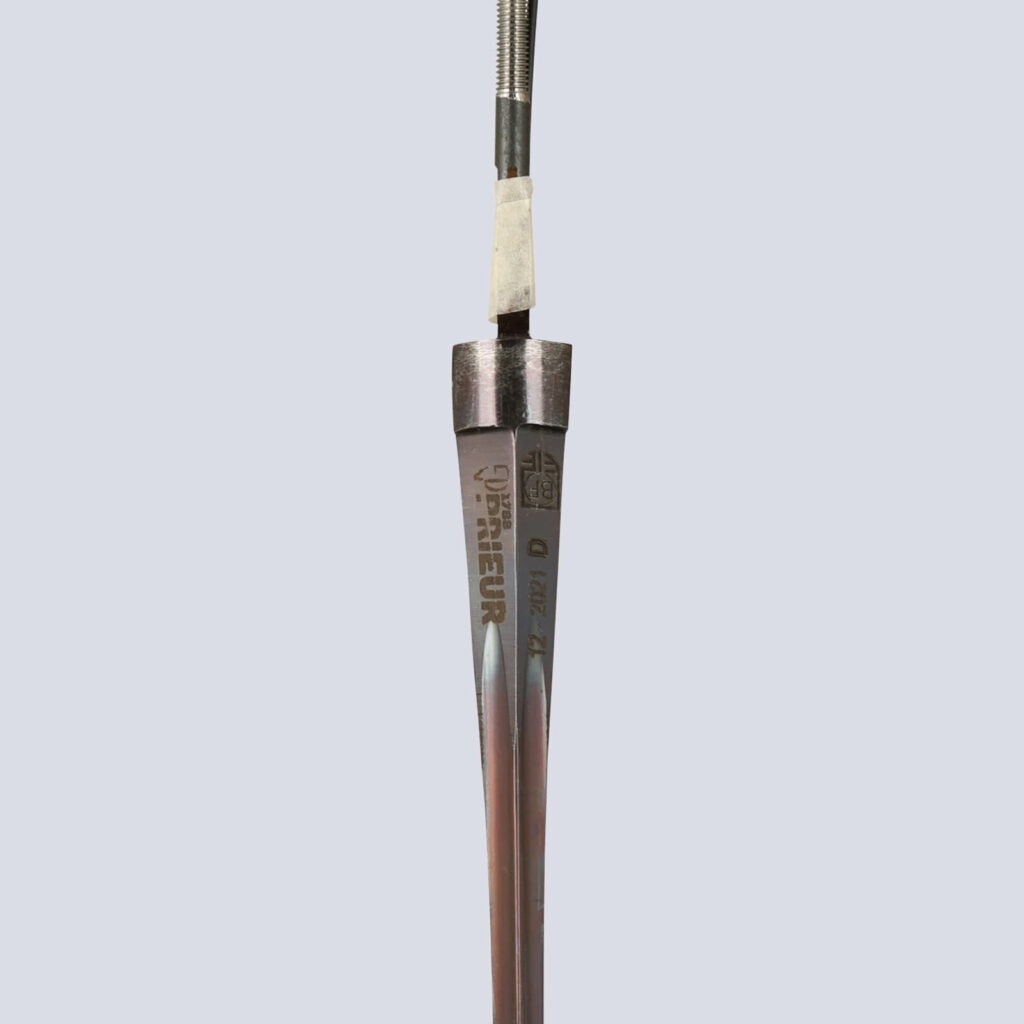
Blade stiffness depends on how the cross-section narrows from forte to foible.
A thicker forte provides a firmer base for solid parries.
Thinner or evenly ground foibles feel livelier but may vibrate more. This is why two “medium” blades can feel completely different.
Weight Distribution (Balance)
Balance matters more than total blade weight.
A lighter guard + heavier pommel shifts balance toward the hand for finer point control.
A heavier guard moves balance forward, creating a punchier attack feel.
Positioning Our Lineup by Feel
Model
Flex / Feel
Notes
BF FIE Medium
Most flexible FIE option
Lively recovery, forgiving during off-center hits
BF FIE Dense
Medium-stiff; most popular
Stable parries, balanced feel
STM FIE
Stiffer than Dense
Crisp, “locked-in” point feel
STM FIE Elite+
Stiffest on the market
Maximum consistency and precision
STM NonFIE
Flexible, forgiving
Best entry-level or club blade
Flex vs. Stiffness: What It Means for Your Fencing
Flex and stiffness affect how your weapon behaves when parrying, redirecting, or landing off-line hits.
Flexible Blades (BF FIE Medium, STM NonFIE)
Pros
Forgiving on misalignments
Comfortable for long training sessions
Responsive, dynamic feeling
Considerations
Less authority in hard parries
Requires balance tuning for stability
Medium-to-Stiff Blades (BF FIE Dense, STM FIE, STM FIE Elite+)
Pros
Stronger line control and opposition
More consistent point placement
Crisper recovery
Considerations
Less forgiving for developing fencers
Rewards refined technique
Flex-to-Style Guide
Style / Need
Recommended Flex
Blade Examples
Long training, comfort
Flexible
BF FIE Medium, STM NonFIE
Balanced competition
Medium
BF FIE Dense
Precision, parry authority
Stiff
STM FIE, STM FIE Elite+
Balance and Weight: Fine-Tuning the Feel
Balance is the “hidden lever” of performance. Adjusting guard, grip, and pommel can transform a weapon’s handling.
Nose-heavy: More momentum for deep attacks; less finesse.
Neutral / balance-back: Faster point control and quick disengages.
How long does an épée blade last? It depends on training frequency. FIE blades maintain feel longer. Replace training blades once they no longer hold straightness or recover slowly.
Do I need an FIE blade for my events? Regional, national, and all international competitions require FIE. Always confirm with your event’s rules.
Which blade is best for parry-riposte fencing? Choose a stiffer blade—STM FIE or STM FIE Elite+. BF FIE Dense offers a balanced compromise.
Can I make a flexible blade feel more stable? Yes—use a slightly heavier pommel or standard guard to shift balance back.
How often should I replace tips and springs? Inspect weekly or after each competition. Replace at any sign of inconsistent travel or weight response.
Final Recommendation
For elite stability and precision: STM FIE Elite+ or STM FIE.
For balanced performance and confidence: BF FIE Dense.
For development and comfort: BF FIE Medium.
For budget-friendly training: STM NonFIE—with an FIE blade ready for future competition.